10 Examples of Economic Globalization That Shape Modern Investing

Examples of economic globalization can be found everywhere, from global supply chains and cross-border e-commerce to foreign stock investment. Technically, economic globalization is the process of growing interdependence between countries through trade, capital flows, technology transfer, and labor mobility.
Indonesia is not just a spectator in this process, because every day you encounter imported products, foreign digital services, and opportunities for stock investing. In 2026, economic globalization is increasingly shaped by digitalization, tariff policies, and supply chain shifts. Understanding real examples helps you read both opportunities and risks in financial markets.
Key Points
- Broad definition: Economic globalization integrates trade, investment, and finance across countries into one interconnected system.
- Real examples: Global supply chains, cross-border marketplaces, and foreign stock investment are the most visible evidence.
- Global data: IMF as of April 2026 projects 3.1% world economic growth because cross-border integration is deepening.
- Investment access: Globalization opens access to US stocks, crypto, and products like xStocks for Indonesian investors.
- Risks remain: Global shocks such as rate hikes or financial crises can spread quickly to all markets.
What is economic globalization and how does it work?
Economic globalization is more than a buzzword. It is a mechanism that connects producers, consumers, and investors across countries through three main channels: trade in goods and services, cross-border capital flows, and technology and labor transfers.
When a country opens itself to foreign investment, its currency becomes more exposed to global sentiment. A simple example is when the US central bank raises interest rates, investors may pull capital from emerging markets like Indonesia.
Key features of economic globalization
Some patterns distinguish modern economic globalization from earlier eras. Recognizing these features helps you map their impact.
• Cross-border trade: Daily products are often made through global supply chains.
• Free capital flows: Portfolio investment can enter and exit a country within hours.
• Financial market integration: Stock, bond, and digital asset prices tend to move together.
• Multinational dominance: Global companies coordinate production across many countries.
• Digital transactions: Cross-border payments are faster and cheaper.
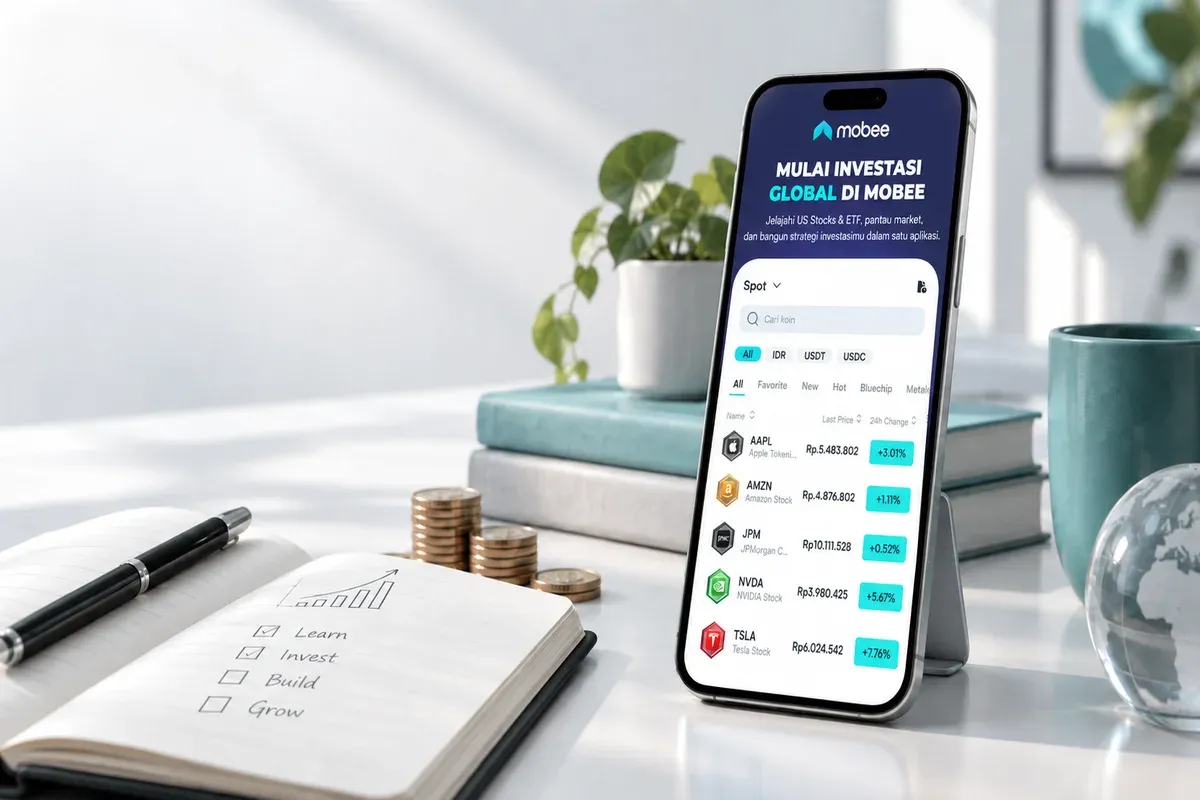
This pattern is visible in global equity markets. Products like US stocks allow Indonesian investors to gain exposure to global companies without opening a foreign brokerage account.
Examples of economic globalization in international trade
The classic example is trade. A single smartphone can have a chip from Taiwan, a screen from South Korea, and final assembly in China or Vietnam.
• Electronics: Component supply chains are spread across several countries.
• Clothing and textiles: Raw materials come from one country, production happens in another, and finished goods are sold globally.
• Food commodities: Wheat from Australia, coffee from Brazil, and rice from Thailand are traded across borders.
• Logistics services: Shipping lines and international couriers connect sellers with buyers worldwide.
According to the WTO forecast released in April 2026, world merchandise trade volume is projected to grow by around 3.2% in 2026. This is below the historical average, partly because of tariff policies and geopolitical fragmentation. Economic globalization continues, but with more friction.
Examples in finance and investment
Finance is the fastest-moving face of globalization. Capital does not respect national borders, and investors can buy assets from different exchanges within seconds.
• Foreign stock investment: Global investors allocate capital to companies in many countries.
• Bond markets: Governments and corporations issue debt that international investors buy.
• Crypto markets: Assets like Bitcoin trade 24 hours across platforms worldwide.
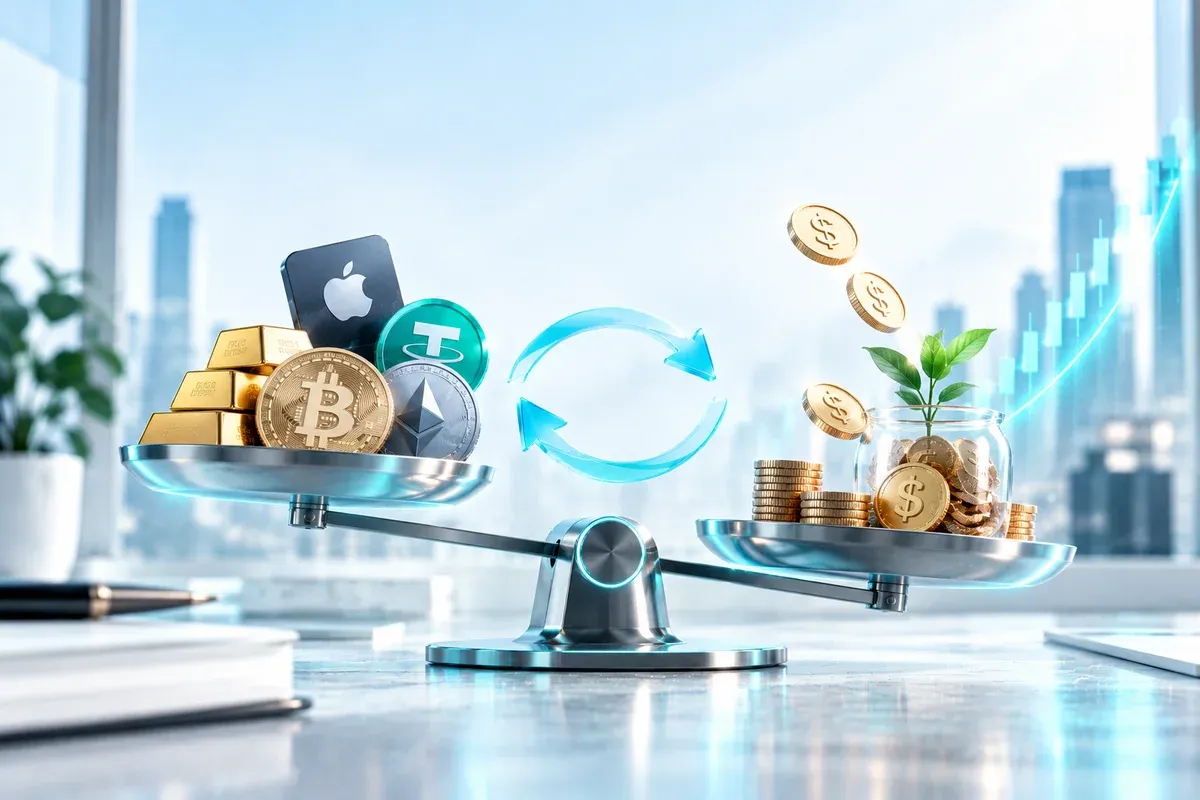
• Tokenized products: Real-world assets such as stocks and gold can be represented as digital tokens.
Financial globalization also appears in foreign exchange volume. The Bank for International Settlements (BIS) recorded around $8.9 trillion in daily global FX turnover as of April 2026. This shows how deep financial integration has become and explains why US economic news can immediately move Indonesian markets. Through xStocks, you can access tokenized versions of global company stocks.
Examples in digital and technology
The internet removes physical barriers in economic globalization. Digital platforms serve users across countries with almost identical systems.
• Cross-border e-commerce: Marketplaces like Amazon and Alibaba sell products to global buyers.
• Payment platforms: Services like PayPal and stablecoins simplify cross-border transactions.
• Cloud services: Servers in one country handle data from many countries.
• Creator economy: Creators in Indonesia can earn income from foreign sponsors.
According to Statista data released in January 2026, global e-commerce sales are estimated to reach $6.5 trillion. This shows how closely connected buyers and sellers are in one digital market. Digital assets such as crypto are also an example of financial globalization without intermediaries. You can explore various crypto types to understand the opportunities.
Examples in production and labor
Globalization changes how companies organize production and hire workers. Many companies move factories to lower-cost countries and sell the output globally.
• Offshoring: Factories relocate to developing countries to reduce production costs.
• Outsourcing: Services such as call centers and IT are handled by teams in other countries.
• Migrant workers: Cross-border workers fill labor shortages in developed markets.
• Remote work: Digital talent can work for foreign companies from home.
According to the ILO World Employment and Social Outlook report released in January 2026, global unemployment is projected at 4.9%. Labor mobility is part of globalization, but it requires skills adaptation.
Positive effects of economic globalization for Indonesia
Economic globalization does not always harm local economies. Indonesia gains many benefits from market openness when policies are managed well.
• Export market access: Local products can reach global consumers.
• Technology transfer: Foreign investment brings new technology and work methods.
• Wider consumer choices: Imported goods are available at competitive prices.
• Investment diversification: Investors can choose assets from many countries.
According to the World Bank Global Economic Prospects report of June 2026, emerging economies are projected to grow 4.2% in 2026, supported by global trade. To participate in these opportunities, you can use products like Earn to make your crypto assets work harder.
Risks of economic globalization to monitor
Globalization carries risks that spread quickly. A failure in one country can become a shock elsewhere.
• Contagion risk: A financial crisis in one region can infect domestic markets.
• Exchange rate volatility: Foreign capital flows cause the rupiah to fluctuate.
• Supply chain dependence: A production disruption in one country stalls global supply.
• Market concentration: Dominance by foreign companies can pressure local businesses.
• Regulatory changes: Tariff and tax policies across borders shift rapidly.
To reduce risk, track global central bank policies and use disciplined strategies. If you actively trade crypto, learn proper crypto trading techniques and set loss limits before opening positions.
Summary table of economic globalization examples
| Example | Form | Impact |
|---|---|---|
| Electronics Trade | Multi-country supply chains | More competitive goods prices |
| Foreign Stock Investment | Cross-border capital flows | More liquid equity markets |
| Global E-commerce | Cross-border digital transactions | Wider market access |
| Offshoring Production | Factories relocated abroad | Job creation and technology transfer |
Conclusion
Economic globalization is a real process that shapes how we produce, transact, and invest. The most accessible examples are international trade, financial markets, digital platforms, and the labor market.
For investors, globalization opens access to many assets but also demands risk awareness. Study every product before investing, and use a platform that offers transparency and clear regulation.
FAQ
What is the easiest example of economic globalization to see daily?
You can see it from imported goods around you. The phone you use, clothing from global brands, and streaming services from abroad are the most obvious examples.
How does economic globalization affect prices of goods?
Global competition lowers the price of many goods because producers can source materials and labor from cheaper locations. However, tariff changes and shipping costs can also push prices up, especially during supply chain disruptions.
What are the risks of economic globalization for beginner investors?
Beginner investors face currency risk, market volatility, and contagion risk. Global shocks can trigger sudden drops in local assets, so diversification and position limits are essential.
Is international trade part of economic globalization?
Yes, international trade is a core part of economic globalization. It involves the exchange of goods, services, and capital across borders, along with foreign investment and technology transfer.
How can Indonesian investors take advantage of economic globalization?
You can take advantage by diversifying into global assets such as US stocks, crypto, and tokenized products. Learn each instrument first and use platforms with clear regulatory status.
Mobee is a digital asset platform licensed and supervised by OJK, helping users explore crypto and investment products with clearer access and practical learning. Start your investment journey through Mobee and choose products that match your goals and risk profile.
 Direct market access from the app
 Start exploring digital assets with Mobee
Track the market, learn about digital assets, and start trading more conveniently with the Mobee App.
Mobee is licensed and supervised by the OJK. Not a solicitation to buy or sell any asset.