Best Crypto Wallets in 2026: 7 Options Compared
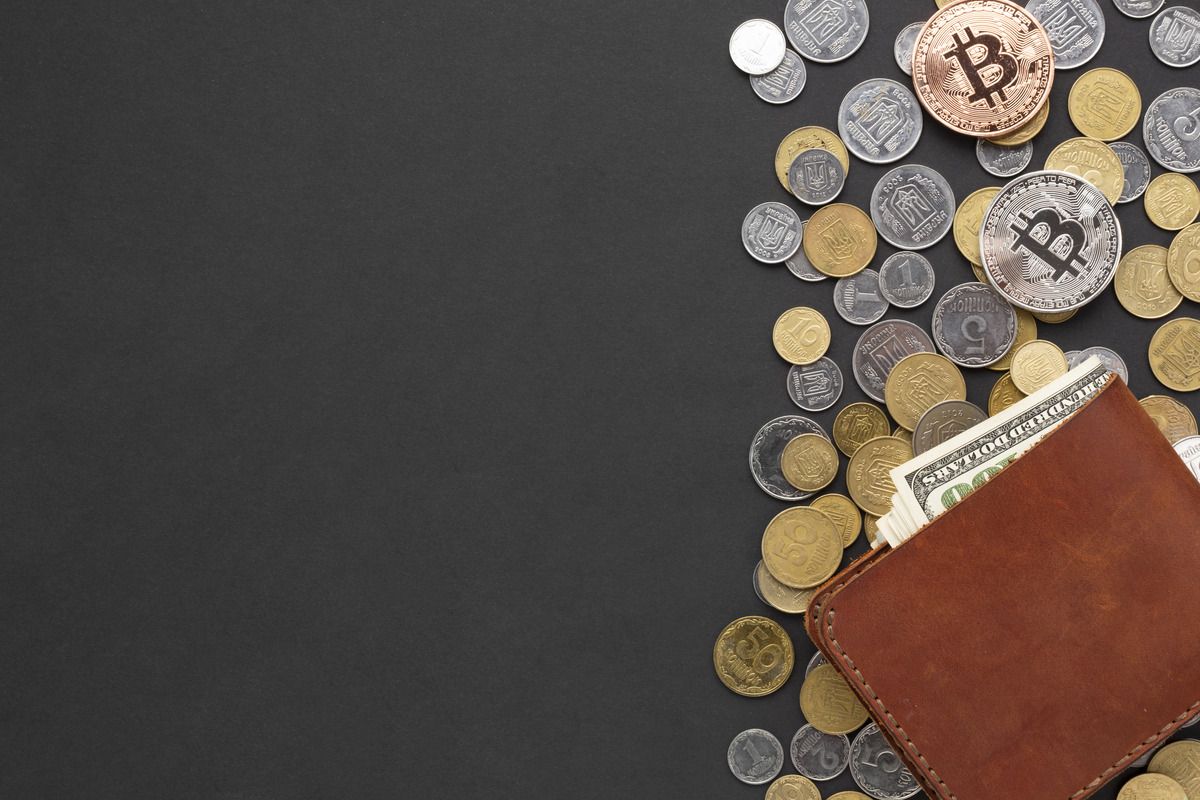
Software wallets such as MetaMask, Trust Wallet, and Phantom prioritize accessibility and Web3 integration. Hardware wallets such as Ledger and Trezor are designed to keep private keys isolated from ordinary internet-connected devices.
More importantly, the best crypto wallet is not necessarily the one that supports the most tokens. You should understand who controls the private keys, how transactions are signed, how recovery works, and what happens if your device is lost or compromised.
This guide compares seven notable crypto wallets in 2026 based on custody, security architecture, network support, usability, and their main risks.
Key Takeaways
- A crypto wallet manages the cryptographic credentials used to control blockchain assets.
- Crypto itself remains recorded on the blockchain rather than being physically stored inside the wallet.
- Hot wallets prioritize accessibility and frequent transactions.
- Hardware wallets provide stronger isolation for private keys but require additional setup.
- Self-custody gives you greater control but also makes you responsible for recovery.
- MetaMask is strong for DeFi and Web3 activity.
- Trust Wallet provides broad multi-chain support.
- Phantom is particularly useful for Solana-focused users.
- Ledger and Trezor are notable options for long-term hardware storage.
- Base App and Exodus provide alternatives focused on easier onboarding and portfolio management.
- No crypto wallet can eliminate phishing, malicious transactions, or user error.
What Is a Crypto Wallet?
A crypto wallet is software or hardware that manages the cryptographic keys required to access blockchain assets and authorize transactions.
A common misconception is that cryptocurrency is physically stored inside the wallet.
In reality, balances and ownership records remain on the blockchain. The wallet manages the credentials that allow you to interact with those assets.
The most important credentials generally include a private key, recovery phrase, passkey, or another authorization mechanism depending on the wallet architecture.
To better understand these concepts, read Mobee Academy's guide to public keys, private keys, and seed phrases.
Anyone who gains access to sensitive wallet credentials may be able to authorize transactions. This is why wallet security involves much more than simply choosing a well-known brand.
If you want to understand who controls crypto assets in different wallet models, see our guide to non-custodial wallets.
Best Crypto Wallets in 2026
Here is a quick comparison of the seven wallets covered in this guide.
| Wallet | Type | Custody | Best For | Main Trade-Off |
|---|---|---|---|---|
| MetaMask | Hot/software | Self-custody | DeFi and Web3 | Online attack exposure |
| Trust Wallet | Hot/software | Self-custody | Multi-chain mobile users | Internet-connected device risk |
| Phantom | Hot/software | Self-custody | Solana and multi-chain users | Selective network support |
| Ledger Flex | Hardware | Self-custody | Long-term multi-asset storage | Requires paid hardware |
| Trezor Safe 5 | Hardware | Self-custody | Cold storage and transparency | Less convenient for daily use |
| Base App | Software/smart wallet | Self-custody | Easier onchain onboarding | Multiple wallet models can confuse users |
| Exodus | Hot/software | Self-custody | Desktop and mobile beginners | Software-wallet attack surface |
The table should be viewed as a use-case comparison rather than a ranking from safest to least safe. Different wallets are designed around different security and usability trade-offs.
1. MetaMask: Best for DeFi and Web3
MetaMask remains one of the most widely recognized software wallets for interacting with decentralized applications.
Originally associated mainly with Ethereum and EVM-compatible networks, MetaMask has expanded its multichain functionality and now supports ecosystems beyond its original Ethereum focus, including Bitcoin and Solana.
MetaMask is available through browser extensions and mobile applications.
Why MetaMask Stands Out
MetaMask is particularly useful for users who frequently interact with:
- decentralized exchanges,
- lending protocols,
- NFT marketplaces,
- staking platforms,
- Ethereum Layer 2 networks,
- and other Web3 applications.
Its broad dApp integration makes it convenient for active onchain users.
If you are new to decentralized applications, read what Web3 is and how the Web3 ecosystem works.
MetaMask Security Model
MetaMask operates primarily as a self-custody wallet.
Traditional MetaMask wallets use a Secret Recovery Phrase to restore wallet access. Users are responsible for protecting this recovery information.
This means there is an important trade-off:
You control the wallet, but you are also responsible for recovering it.
Someone who obtains your recovery phrase may be able to reconstruct the wallet from another device.
Users who frequently interact with Ethereum should also understand Ethereum gas fees, since network costs can significantly affect DeFi activity.
Main Advantage
Deep integration with DeFi and Web3 applications.
Main Risk
Because MetaMask normally operates on an internet-connected browser or smartphone, users remain exposed to phishing, malicious extensions, compromised devices, and fraudulent transaction approvals.
Best suited for: active Web3 and DeFi users.
For Ethereum-focused users, continue with our dedicated guide to Ethereum wallets.
2. Trust Wallet: Best for Broad Multi-Chain Mobile Use
Trust Wallet is a self-custody software wallet designed to manage assets across a large number of blockchain networks.
Its broad multi-chain architecture makes it particularly useful for users who hold assets across different ecosystems but prefer to manage them from one mobile-oriented interface.
Why Trust Wallet Stands Out
Trust Wallet provides access to features such as:
- multi-chain token management,
- token swaps,
- NFTs,
- staking for supported assets,
- Web3 applications,
- and decentralized services.
Users are responsible for securing their wallet credentials because Trust Wallet follows a self-custody model.
Understanding different networks becomes increasingly important when using a multi-chain wallet. If some blockchain terminology still feels unfamiliar, see our guide to important blockchain and crypto terms.
Main Advantage
Broad multi-chain asset support.
Main Risk
Trust Wallet remains a hot wallet running on an internet-connected device.
Users should protect their phones, verify token contract addresses, avoid unknown dApps, and never assume that every token visible inside a wallet is legitimate.
Best suited for: mobile users holding assets across multiple blockchain networks.
3. Phantom: Best for Solana and Multi-Chain Users
Phantom became popular through the Solana ecosystem, but it has developed into a broader multi-chain wallet.
It remains particularly relevant for users who frequently interact with Solana-based applications, NFTs, tokens, and staking functionality.
Why Phantom Stands Out
Phantom supports activities such as:
- token storage,
- swaps,
- NFTs,
- dApp connections,
- SOL staking,
- Bitcoin management,
- and selected multi-chain portfolio functionality.
Phantom is available as both a mobile application and browser extension.
Users who want stronger signing isolation can also combine certain Phantom workflows with compatible hardware wallets.
Main Advantage
Strong Solana integration combined with expanding multi-chain functionality.
Main Risk
Phantom does not support every major blockchain ecosystem.
Users should verify network compatibility before transferring assets because sending tokens using an unsupported or incorrect network can create serious problems.
For more options specifically designed around Solana, compare the best Solana wallets.
Blockchain transaction costs can also differ significantly between networks. Read what gas fees are to understand why transaction costs change.
4. Ledger Flex: Hardware Wallet for Multi-Asset Storage
Ledger Flex is a hardware wallet designed to keep sensitive cryptographic operations separate from ordinary internet-connected devices.
Hardware wallets generally store private keys inside dedicated hardware and require users to confirm transactions directly on the device.
This can reduce exposure to some forms of remote attack.
Why Ledger Flex Stands Out
Ledger Flex is designed around features such as:
- hardware-isolated private keys,
- on-device transaction confirmation,
- broad asset support,
- touchscreen verification,
- mobile and desktop connectivity,
- staking integrations,
- and compatibility with selected third-party wallet applications.
The main difference from a standard software wallet is that sensitive transaction signing takes place within the dedicated hardware environment.
Main Advantage
Stronger private-key isolation combined with broad asset support.
Main Risk
Hardware wallets do not remove the need for careful security practices.
Users still need to:
- protect recovery credentials,
- verify transaction details,
- avoid fake wallet applications,
- purchase hardware from trusted sources,
- and understand the recovery process.
Before purchasing a hardware wallet, read our guide on how to choose secure cold storage.
Best suited for: long-term holders and users managing larger crypto portfolios.
5. Trezor Safe 5: Hardware Wallet for Cold Storage
Trezor Safe 5 is another hardware wallet designed for self-custody and long-term asset storage.
Trezor has traditionally emphasized open-source development and transparent security architecture.
Why Trezor Safe 5 Stands Out
Its security and usability model includes features such as:
- hardware-based key storage,
- on-device transaction confirmation,
- PIN protection,
- passphrase support,
- recovery backup options,
- desktop wallet management,
- and broad cryptocurrency support.
Because transactions must be confirmed through the device, hardware wallets create an additional verification layer between the user and an internet-connected computer.
Main Advantage
Hardware isolation with a strong focus on transparent security architecture.
Main Risk
Cold storage creates more operational responsibility.
Users need to protect both the physical device and recovery information. Hardware wallets can also be less convenient for people who make transactions several times per day.
A hardware wallet is not automatically secure if the recovery phrase is stored carelessly.
For additional protection practices, see 7 ways to keep your crypto wallet secure.
Best suited for: users prioritizing long-term self-custody.
6. Base App: Easier Onchain Wallet Experience
Coinbase's wallet ecosystem has evolved toward Base App and smart-wallet technology designed to make onchain onboarding easier.
Unlike traditional wallets that rely only on recovery phrases, smart-wallet architectures can use technologies such as passkeys and account abstraction to simplify authentication and recovery.
Why Base App Stands Out
Depending on the wallet setup, users may gain access to:
- Base,
- Ethereum and EVM ecosystems,
- Bitcoin,
- Solana,
- decentralized applications,
- token swaps,
- passkey-based access,
- and smart-wallet functionality.
The broader goal is to make self-custody feel less technically intimidating.
Main Advantage
More accessible onboarding and flexible wallet recovery models.
Main Risk
Different wallet architectures can create confusion.
Users should clearly understand whether they are using a traditional recovery-phrase wallet, smart wallet, passkey-based account, or another custody configuration.
Best suited for: beginners entering the onchain ecosystem.
7. Exodus: Best for Simple Desktop and Mobile Management
Exodus is a self-custody software wallet designed for users who want to manage multiple crypto assets through desktop and mobile applications.
Its interface emphasizes simplicity and portfolio visibility.
Why Exodus Stands Out
Common features include:
- multi-chain asset management,
- portfolio tracking,
- token swaps,
- selected staking functionality,
- desktop access,
- mobile access,
- and integrations with certain hardware wallets.
This can make Exodus attractive to users who want a more traditional application experience rather than a browser-first Web3 wallet.
Main Advantage
Simple portfolio management across desktop and mobile devices.
Main Risk
When used purely as a software wallet, security still depends heavily on the device running the application.
Malware, credential theft, phishing, and compromised computers can still create risks.
Best suited for: beginners who prefer desktop and mobile portfolio management.
Hot Wallet vs Cold Wallet
One of the most important decisions is whether to use a hot wallet or cold wallet.
Hot Wallet
A hot wallet operates on an internet-connected device.
Examples include:
- MetaMask,
- Trust Wallet,
- Phantom,
- Base App,
- and Exodus.
Hot wallets generally provide faster access to:
- decentralized exchanges,
- NFT marketplaces,
- token swaps,
- DeFi,
- staking applications,
- and regular transfers.
However, they also operate in environments exposed to online threats.
If convenience is your main priority, learn more about how a software crypto wallet works.
Cold Wallet
Cold wallets keep sensitive credentials more isolated from ordinary internet-connected devices.
Hardware wallets such as Ledger and Trezor are common examples.
Cold storage may be more suitable for assets that do not need to move frequently.
For a deeper comparison, read what a cold wallet is and why investors use one.
Custodial vs Non-Custodial Wallets
Wallets can also be classified according to who controls the private keys.
Custodial Wallet
With a custodial service, a company or platform manages custody on behalf of users.
This can simplify:
- account recovery,
- trading,
- support,
- and password management.
However, users become dependent on the provider.
Non-Custodial Wallet
A non-custodial or self-custody wallet gives users control of their cryptographic credentials.
This reduces dependence on an intermediary but increases individual responsibility.
If recovery credentials are lost and no alternative recovery mechanism exists, restoring the wallet may be impossible.
Read what non-custodial wallets are before moving significant assets into self-custody.
How to Choose the Best Crypto Wallet
Instead of simply downloading the most popular wallet, evaluate the following factors.
1. Understand the Custody Model
Start by asking:
Who controls the keys?
A wallet may use:
- traditional private keys,
- seed phrases,
- multi-party computation,
- smart contracts,
- passkeys,
- or a custodial structure.
Understanding the custody model is more important than the wallet's visual interface.
2. Evaluate Security Architecture
For software wallets, consider:
- device security,
- phishing protection,
- transaction simulation,
- recovery mechanisms,
- browser permissions,
- and hardware-wallet compatibility.
For hardware wallets, consider:
- physical transaction confirmation,
- secure hardware architecture,
- firmware verification,
- recovery options,
- and device authenticity.
3. Check Supported Networks
Not every wallet supports every blockchain.
A wallet designed for Ethereum may not support Solana. A Solana-focused wallet may not support BNB Chain. Bitcoin support should also never be assumed.
Always confirm network compatibility before sending assets.
4. Consider Your Main Activity
Different wallets are appropriate for different use cases.
Frequent DeFi activity: MetaMask
Broad mobile multi-chain use: Trust Wallet
Solana-focused activity: Phantom
Long-term hardware storage: Ledger or Trezor
Simplified onchain onboarding: Base App
Desktop/mobile portfolio management: Exodus
These categories are editorial assessments based on use case rather than guarantees of security or performance.
5. Understand Recovery
Before depositing crypto, ask what happens if:
- your phone disappears,
- your computer breaks,
- your hardware wallet is damaged,
- you forget your password,
- or your wallet application becomes unavailable.
You should understand the recovery process before a problem happens.
How to Keep a Crypto Wallet Secure
Choosing a reputable wallet is only one part of crypto security.
A secure wallet can still be compromised through poor user behavior.
Never Share a Seed Phrase or Private Key
A legitimate wallet support team should not need your seed phrase or private key to solve an ordinary support issue.
Anyone who gains access to those credentials may gain control of your assets.
Watch Out for Crypto Phishing
Phishing attacks often imitate:
- wallet websites,
- exchanges,
- support teams,
- airdrops,
- token claims,
- or wallet-connect pages.
They may attempt to convince users to reveal credentials or approve malicious transactions.
Learn how to identify crypto phishing attempts.
Verify Transactions Before Signing
Always verify:
- wallet address,
- blockchain network,
- token,
- amount,
- smart-contract permissions,
- and transaction details.
A hardware wallet can isolate private keys, but it cannot stop a user from intentionally approving a malicious transaction.
Download Wallet Software From Official Sources
Fake applications and browser extensions can imitate legitimate wallets.
Avoid installing wallet software from advertisements, unknown download sites, or links sent through unsolicited messages.
Separate Daily Funds From Long-Term Holdings
Users with significant crypto portfolios may consider separating funds according to their purpose.
For example:
- a hot wallet for daily transactions,
- a separate wallet for DeFi,
- and a hardware wallet for long-term holdings.
This reduces the amount of capital exposed to any single wallet environment.
For a complete security checklist, read how to keep your crypto wallet secure.
What Is the Safest Crypto Wallet?
There is no universally safest crypto wallet.
Hardware wallets generally provide stronger protection against remote private-key theft because sensitive signing operations occur on dedicated hardware.
However, hardware wallets cannot eliminate:
- phishing,
- malicious smart contracts,
- fraudulent transaction approvals,
- stolen seed phrases,
- physical theft,
- or user mistakes.
Software wallets provide more convenience but depend more heavily on the security of the user's browser, phone, or computer.
The safest approach depends on your threat model.
Someone holding assets for five years may need a different setup from someone performing DeFi transactions every day.
Should You Keep Crypto on an Exchange or in a Wallet?
Keeping assets on a centralized platform and moving them to a self-custody wallet create different trade-offs.
An exchange can simplify:
- buying and selling,
- customer support,
- account recovery,
- and fiat transactions.
However, users depend on the platform's custody and operational security.
Self-custody reduces some forms of intermediary dependence but transfers responsibility to the user.
There is no rule that requires every crypto user to use only one method.
Some investors separate assets according to their purpose and risk profile.
Beginners who are still learning how crypto markets work can continue with Mobee Academy's crypto trading guide for beginners.
Crypto Wallets and Staking
Some Proof-of-Stake cryptocurrencies can be staked directly or indirectly through compatible wallets.
However, wallet-integrated staking should not automatically be treated as risk-free yield.
Users should understand:
- whether staking is native or third-party,
- validator selection,
- unstaking periods,
- reward rates,
- slashing risk,
- liquidity,
- and custody.
Learn more in our complete guide to how crypto staking works.
Crypto Wallets and Ethereum Gas Fees
Ethereum wallet users should also understand how gas works.
Transaction costs depend on network conditions and the amount of computational work required by a transaction.
A wallet displaying a token balance does not mean the asset can always be transferred for free.
For Ethereum-specific transaction costs, read what Gwei is and how Ethereum gas fees are calculated.
Which Crypto Wallet Is Best for Beginners?
For beginners, ease of use matters, but simplicity should not replace security.
A beginner-friendly wallet should ideally provide:
- understandable recovery instructions,
- clear transaction confirmation,
- strong security documentation,
- support for the networks the user actually needs,
- and an interface that reduces accidental mistakes.
Trust Wallet, Exodus, Phantom, and Base App may appeal to different beginner use cases.
However, beginners should first understand the difference between custodial and self-custodial wallets before transferring significant assets.
Which Crypto Wallet Is Best for Long-Term Storage?
Users who rarely move their assets may prefer a hardware wallet.
Ledger and Trezor are common examples of hardware-based self-custody.
The primary benefit is not simply that the device is "offline." The more important feature is that sensitive signing credentials remain separated from ordinary internet-connected environments.
Long-term users should also create a secure recovery strategy.
Read our dedicated guide on how to choose cold storage.
FAQ
What is the best crypto wallet for beginners?
There is no universal best wallet. Trust Wallet and Exodus provide relatively simple multi-chain interfaces, Phantom is particularly useful for Solana users, while Base App focuses on easier onchain onboarding. Beginners should understand custody and recovery before comparing advanced features.
What is the safest type of crypto wallet?
Hardware wallets generally provide stronger isolation from remote attacks because private keys are kept within dedicated devices. However, they do not eliminate phishing, stolen recovery credentials, malicious transaction approvals, or user error.
Is MetaMask still only an Ethereum wallet?
No. MetaMask has expanded beyond Ethereum and EVM networks and now includes support for additional ecosystems such as Bitcoin and Solana.
Is Trust Wallet a custodial wallet?
No. Trust Wallet operates as a self-custody wallet, meaning users are responsible for the credentials controlling their wallets.
Is Phantom only for Solana?
No. Phantom has expanded beyond Solana and supports several additional blockchain networks. However, it does not support every major network, so users should verify compatibility before transferring assets.
Is a hardware wallet better than a software wallet?
It depends on the use case. Hardware wallets provide stronger key isolation and may be better suited for long-term holdings. Software wallets provide faster access to dApps and frequent transactions.
Can a crypto wallet be hacked?
Wallet users can be compromised through phishing, malware, malicious browser extensions, stolen recovery credentials, fraudulent applications, or dangerous transaction approvals. No wallet completely eliminates security risks.
Does a crypto wallet actually store cryptocurrency?
Not physically. Cryptocurrency remains recorded on the blockchain. A wallet manages the cryptographic credentials required to access and authorize transactions involving those assets.
Conclusion
The best crypto wallet in 2026 depends on how you plan to use your digital assets.
MetaMask remains useful for active DeFi and Web3 users, while Trust Wallet provides broad multi-chain access. Phantom remains particularly relevant for Solana-focused users while supporting additional ecosystems.
Users who prioritize long-term self-custody may prefer hardware wallets such as Ledger Flex or Trezor Safe 5. Base App focuses on simplifying onchain onboarding, while Exodus offers a more traditional desktop and mobile portfolio experience.
More importantly, do not choose a wallet simply because it supports the most tokens.
Evaluate:
- custody,
- key security,
- recovery mechanisms,
- supported networks,
- transaction verification,
- device security,
- and how often you actually need to move your assets.
A strong crypto wallet strategy combines appropriate technology with careful security practices.
Continue learning through Mobee Academy's guides to non-custodial wallets, cold wallets, and crypto wallet security.
Ethereum and Solana users can also compare our dedicated guides to Ethereum wallets and Solana wallets.
If you plan to use your wallet for Proof-of-Stake assets, read our guide to crypto staking.
Disclaimer: This article is provided for educational purposes and does not constitute financial, investment, or security advice. Cryptocurrency involves significant risk. Always verify wallet information through official developer documentation and independently evaluate security before transferring assets.
Sources
- MetaMask Support — Wallet Security, Recovery and Supported Networks
- Trust Wallet — Multi-Chain Wallet Documentation
- Phantom Help Center — Supported Blockchain Networks
- Ledger — Hardware Wallet and Ledger Flex Documentation
- Trezor — Trezor Safe 5 Documentation
- Coinbase — Base App and Smart Wallet Documentation
- Exodus — Wallet and Network Support Documentation
 Direct market access from the app
 Start exploring digital assets with Mobee
Track the market, learn about digital assets, and start trading more conveniently with the Mobee App.
Mobee is licensed and supervised by the OJK. Not a solicitation to buy or sell any asset.