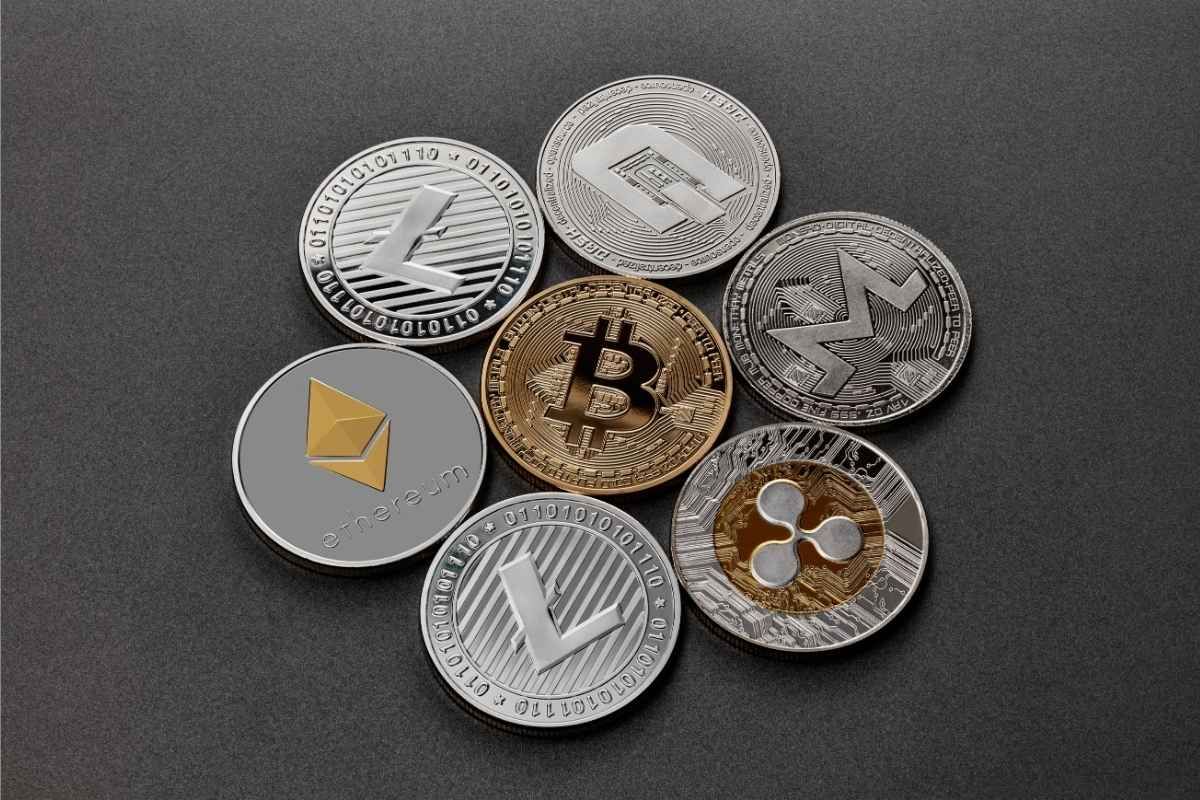
Understanding Public Keys, Private Keys, and Seed Phrases
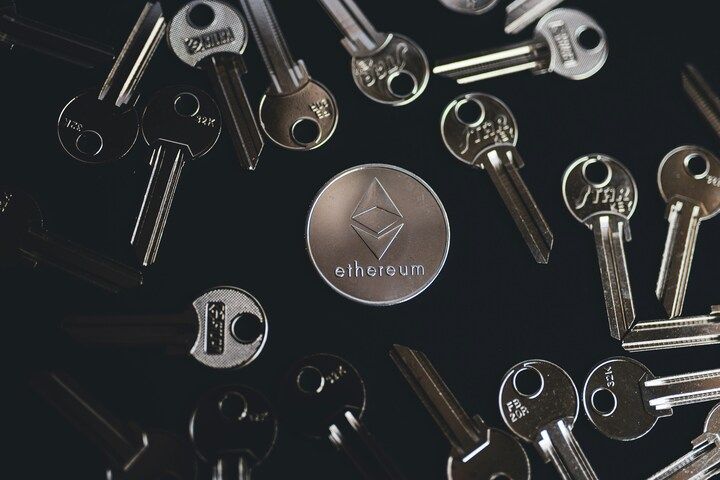
When storing crypto assets, your public key, private key, and seed phrase are the three factors that determine the security of your holdings.
All three are related to your wallet, but they serve different roles. Misunderstanding these differences can lead to the permanent loss of your assets.
This article breaks down each one, complete with a comparison table and the best practices for storing them in 2026.
Key Takeaways
- A public key functions like an email address that can be shared to receive crypto assets.
- A private key is a secret key that grants full control over your wallet.
- A seed phrase is a 12 to 24-word backup used to recover wallet access if your private key is lost.
- The hierarchy is sequential: the seed phrase generates the private key, and the private key generates the public key.
- Never share your private key or seed phrase with anyone, including those claiming to be from an exchange.
- Store your seed phrase offline in a secure location, separate from your devices.
- Use a wallet that supports multi-layered security, such as a secure crypto wallet for maximum protection.
What Is a Public Key?
A public key is the part of your wallet that acts as a receiving address.
It is the only one of the three designed to be shared. You provide it to others so they can send crypto assets to you.
You can learn more about how it works in our guide on the best crypto wallets.
How a Public Key Works
A public key is generated from a private key using one-way cryptographic calculation.
One-way means that while a public key can be calculated from a private key, it cannot be reversed. Someone who has your public key cannot calculate backward to discover your private key.
When someone sends assets to your public key, the transaction is recorded on the blockchain. Only the holder of the private key can move them again.
The Role of Public Keys in Security
Public keys are safe to share because their function is limited: they are only for receiving.
This information cannot be used to access or withdraw assets from a wallet. So, if someone asks for your wallet address to send assets, providing it does not pose a security risk.
A note on privacy: because all transactions are recorded on the blockchain, anyone who knows your public key can view the transaction history and balance of that address. Secure does not mean anonymous.
What Is a Private Key?
A private key is a secret key that provides full control over a wallet.
Anyone who holds the private key can move all the assets within it. There is no additional verification process, no undo button, and no party that can recover them.
Learn more about key ownership in non-custodial wallets.
How Private Keys Work
A private key acts as the cryptographic pair to a public key.
When you send assets, the private key is used to create a digital signature. The network verifies that signature against your public key. If they match, the transaction is approved.
It is important to understand that the private key itself is never sent to the network. Only the signature is sent.
The Role of Private Keys in Security
The security of crypto assets depends entirely on the confidentiality of the private key.
If your private key falls into someone else's hands, your assets can be moved at any time without any way to prevent it. There is no bank that can freeze the transaction, and no customer service that can cancel it.
Therefore, private keys should never be stored in plain text on any device connected to the internet. Do not save them in phone notes, emails, or cloud storage services.
For more secure storage, consider a cold wallet.
What Is a Seed Phrase?
A seed phrase, also known as a recovery phrase or mnemonic phrase, is a sequence of 12 to 24 words that serves as the master key for all the keys in your wallet.
This is a layer used by almost all modern crypto hardware wallets .
How a Seed Phrase Works
A seed phrase is a way of representing a very long random number in a format that is readable by humans.
From this sequence of words, the wallet generates a private key. From the private key, a public key is generated. The hierarchy works as follows:
The seed phrase generates the private key, and the private key generates the public key.
Because it sits at the top of the hierarchy, a seed phrase can restore the entire contents of your wallet. If your phone is lost or damaged, you simply enter your seed phrase into a new device to regain full access.
The Role of Seed Phrases in Security
This is where the most common misunderstanding occurs.
Many people think a seed phrase is less dangerous than a private key because it just looks like a string of ordinary words. In reality, the opposite is true.
A seed phrase is more powerful than a private key. A single private key unlocks one address, whereas a seed phrase unlocks every address within that wallet.
So, if your seed phrase is compromised, all assets across all addresses in that wallet can be drained at once.
Store your seed phrase offline, write it down by hand on paper or a metal plate, and keep it separate from the device you use. You can find the complete guide at How to choose cold storage.
Comparison Table: Public Key, Private Key, and Seed Phrase
| Aspek | Public Key | Private Key | Seed Phrase |
|---|---|---|---|
| Fungsi Utama | Menerima aset kripto | Menandatangani transaksi | Memulihkan seluruh wallet |
| Boleh Dibagikan | Ya | Tidak pernah | Tidak pernah |
| Bentuk | Deretan huruf dan angka | Deretan huruf dan angka | 12 sampai 24 kata |
| Cakupan Kendali | Satu alamat, untuk menerima aset | Satu alamat, kendali penuh | Seluruh alamat di wallet |
| Kalau Hilang | Bisa dilihat kembali di wallet | Masih bisa dipulihkan melalui seed phrase | Akses bisa hilang permanen |
| Kalau Bocor | Privasi alamat terbuka, tetapi aset tetap aman | Aset pada alamat tersebut bisa diambil | Seluruh aset dalam wallet bisa diambil |
| Analogi | Nomor rekening | Tanda tangan dan PIN | Kunci brankas induk |
The most important rows in that table are the last two.
A leaked public key only exposes information. A leaked private key compromises one address. A leaked seed phrase compromises everything.
Understand the Differences with a Simple Analogy
Think of a crypto wallet like a bank account, but without the bank behind it.
A public key is like an account number. You can share it with anyone who wants to send you money. People who know your account number cannot withdraw money from it.
A private key is like a signature and a PIN combined. It proves you are the owner and authorizes every withdrawal. Anyone who has it can drain the account without your permission.
A seed phrase is like the master key to your home safe. From that key, all other keys can be recreated. If the master key is lost, no locksmith can help you.
The biggest difference from the bank analogy: no one can recover access for you. With crypto assets, you are both the bank and the customer.
How to Store Keys Safely
Here are six practical steps you can take right away.
1. Write your seed phrase on a physical medium
Handwrite it on thick paper or a metal plate. Do not take a photo, do not type it on your phone, and do not save it in cloud storage services.
2. Create more than one copy in different locations
A single copy is at risk of being lost to fire or flood. Two or three copies in separate locations are much safer.
3. Never type it into any website
A legitimate wallet will never ask for your seed phrase via a webpage. Such requests are almost certainly a scam.
4. Be suspicious of anyone claiming to be an official representative
No exchange, including Mobee, will ever ask for your private key or seed phrase. Anyone asking for them is trying to scam you.
5. Test your recovery early on
After writing down your seed phrase, try restoring the wallet on another device while the balance is still small. It is better to discover a transcription error now than during an emergency.
6. Separate long-term storage from daily use
Keep the majority of your assets in a wallet that is rarely accessed, and leave only a small amount in a daily wallet for transactions.
Conclusion
Public keys, private keys, and seed phrases work in layers, not in isolation.
Public keys are safe to share, private keys must be kept secret, and seed phrases are the most powerful yet most easily misunderstood.
By understanding the role of each, you can determine the storage method that suits your asset size and transaction habits. In crypto assets, full control means full responsibility.
Start Investing in Crypto Easily
To start investing in crypto assets on a platform licensed by the OJK, open Mobee and enjoy the ease of transacting under regulatory oversight.
Frequently Asked Questions
Apakah public key sama dengan alamat wallet?
Hampir sama, tetapi tidak persis. Alamat wallet umumnya dibuat dari public key melalui proses tertentu agar lebih ringkas dan praktis digunakan. Dalam penggunaan sehari-hari, alamat wallet digunakan sebagai tujuan untuk menerima aset kripto.
Apa yang terjadi kalau saya kehilangan seed phrase?
Selama Anda masih bisa mengakses wallet di perangkat lama, aset biasanya masih dapat dipindahkan ke wallet baru. Namun, jika seed phrase dan akses ke perangkat sama-sama hilang, akses ke aset dapat hilang permanen karena tidak ada pihak yang bisa memulihkan seed phrase tersebut.
Mana yang lebih penting dijaga, private key atau seed phrase?
Keduanya harus dijaga dengan sangat ketat. Private key memberi akses ke alamat tertentu, sedangkan seed phrase umumnya dapat memulihkan seluruh wallet beserta sejumlah alamat di dalamnya. Karena cakupannya lebih luas, kebocoran seed phrase dapat berdampak pada seluruh aset di wallet.
Bolehkah menyimpan seed phrase di aplikasi pengelola kata sandi?
Seed phrase sebaiknya disimpan dengan tingkat keamanan yang sangat tinggi. Penyimpanan offline pada media fisik dapat mengurangi paparan terhadap risiko peretasan akun atau perangkat. Apa pun metode yang digunakan, hindari menyimpan seed phrase di tempat yang mudah diakses orang lain.
Apakah exchange akan meminta private key saya?
Tidak. Exchange atau platform kripto yang sah tidak memerlukan private key atau seed phrase wallet pribadi Anda untuk verifikasi akun maupun pemulihan dana. Jangan pernah membagikan informasi tersebut kepada pihak lain.
Apa bedanya menyimpan aset di exchange dan di wallet pribadi?
Di exchange kustodian, private key biasanya dikelola oleh platform sehingga Anda tidak perlu mengurus seed phrase sendiri, tetapi keamanan aset bergantung pada sistem platform tersebut. Di wallet pribadi atau non-custodial, Anda mengelola private key dan seed phrase sendiri, sehingga memiliki kendali lebih besar sekaligus tanggung jawab keamanan yang lebih besar.
Disclaimer: This content is intended to provide additional information to readers. Always do your own research before investing. All crypto asset buying and selling activities are entirely the reader's responsibility.
 Direct market access from the app
 Start exploring digital assets with Mobee
Track the market, learn about digital assets, and start trading more conveniently with the Mobee App.
Mobee is licensed and supervised by the OJK. Not a solicitation to buy or sell any asset.