Types of Crypto: 10 Categories, Examples, and Risks
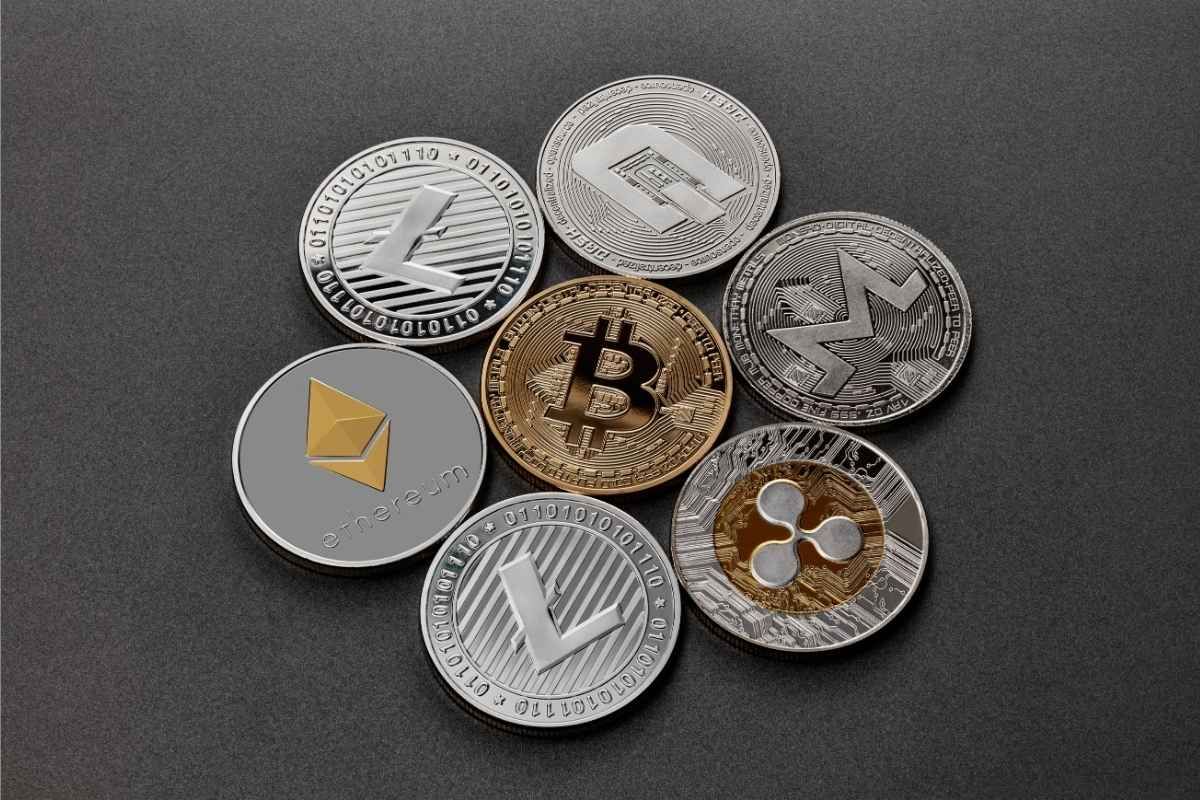
Types of crypto are groups of crypto assets sorted by function and how they work, such as Bitcoin as a store of value, altcoins as alternatives, stablecoins pegged to a currency, and DeFi, NFT, memecoin, and governance tokens. Knowing the categories helps you judge the risk of each asset.
Below you will find a quick table, an explanation of each type, and a guide to choosing categories that fit your risk profile. The example coins are for education only, not a recommendation to buy.
Key Points
- There are 10 types of crypto most often discussed: Bitcoin, altcoins, stablecoins, DeFi tokens, NFTs, memecoins, exchange tokens, governance tokens, GameFi tokens, and wrapped tokens.
- Altcoins are all crypto other than Bitcoin, so most of the other types on this list are also altcoins.
- One coin can belong to more than one category. For example, UNI is both a DeFi token and a governance token.
- Risk differs by type, from stablecoins with a relatively stable price to highly speculative memecoins.
- No type of crypto is risk free, including Bitcoin and stablecoins.
Quick Table of the 10 Types of Crypto
| Type | Main function | Example coins | Relative risk | Who it may suit |
|---|---|---|---|---|
| Bitcoin | Store of value and digital payment without intermediaries, maximum supply of 21 million | BTC | Medium to high. The price is still volatile | Beginners who want to get to know the first and best-known crypto |
| Altcoins | All crypto other than Bitcoin, with varied functions such as smart contracts and payments | ETH, SOL, XRP, ADA, LTC | Medium to high | Those who understand the basics and want to explore other projects |
| Stablecoins | Price designed to stay stable, usually pegged to the US dollar | USDT, USDC | Lower than other types, but with depeg (losing the peg) and issuer risk | Those who need a relatively stable asset for payments or to park funds temporarily |
| DeFi tokens | Used in decentralized finance services, such as swapping, borrowing, and lending assets | UNI, AAVE | High. Smart contract flaws are a risk | Those interested in blockchain-based financial services |
| NFTs | Unique tokens that cannot be swapped one for one, used for art, music, or game items | Collections such as CryptoPunks and Bored Ape Yacht Club | High. Value is hard to pin down and liquidity can be low | Digital collectors |
| Memecoins | Started as a joke or trend, value is heavily driven by community and hype | DOGE, SHIB, PEPE | Very high. Highly speculative | Those who understand the risk and are used to very volatile prices |
| Exchange tokens | Issued by a trading platform, usually giving benefits on that platform | BNB, CRO, OKB | Medium to high. Depends on the health of the issuing platform | Active users of the issuing platform |
| Governance tokens | Give voting rights in a blockchain project's decisions | UNI, AAVE, COMP | High | Those who want a say in a project's direction |
| GameFi tokens | Tokens in blockchain game ecosystems, used for rewards and in-game transactions | AXS, SAND, GALA | High. Depends on the number of active players | Blockchain gaming fans |
| Wrapped tokens | Represent an asset from another blockchain so it can be used on a different network | WBTC, WETH | Medium to high. Depends on the asset custodian and cross-chain bridges | DeFi users who move between networks |
Bitcoin (BTC): The First Cryptocurrency
Bitcoin is the first cryptocurrency, launched in 2009 by Satoshi Nakamoto, the pseudonym of its creator, whose identity is unknown. It works as a digital payment tool without intermediaries. Its supply is capped at 21 million coins, which is why Bitcoin is often called "digital gold".
Bitcoin is often grouped as a crypto blue chip, meaning a large market cap crypto asset. Even so, its price can still swing sharply.
Bitcoin is one asset, not many types. If you searched for "types of Bitcoin", you may be looking for crypto other than Bitcoin, which is covered in the next sections. One coin with a similar name is Bitcoin Cash (BCH), a separate coin created by a split (fork) from Bitcoin in 2017.
Altcoins: Alternatives Besides Bitcoin
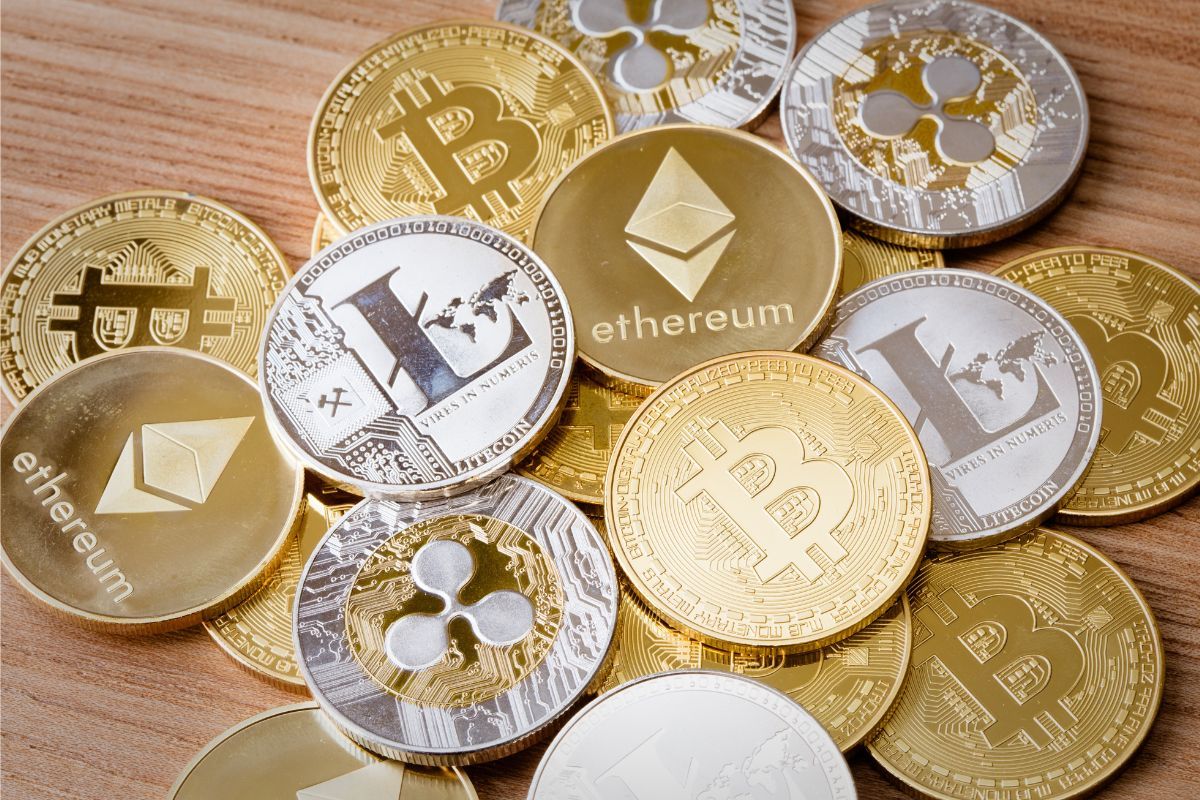
An altcoin is any crypto other than Bitcoin. Altcoins do not automatically replace Bitcoin, because each coin has its own purpose and risk. Examples of crypto besides Bitcoin:
- Ethereum (ETH): supports smart contracts and decentralized applications (dApps), making it the base of many DeFi and NFT projects.
- Solana (SOL): a blockchain for dApps designed for fast transactions.
- XRP: designed for fast, low-cost cross-border payments.
- Cardano (ADA): a blockchain that supports smart contracts.
- Litecoin (LTC): faster transactions than Bitcoin with lower fees.
For a full guide, read What Is an Altcoin? A Comprehensive Guide to Bitcoin Alternatives.
Stablecoins: Crypto With a Stable Price
A stablecoin is a crypto asset whose value is designed to stay steady, usually pegged to the US dollar. Because its volatility is lower, a stablecoin is often used for payments and to park funds temporarily between trades. Examples are Tether (USDT) and USD Coin (USDC).
The risk is not zero. A stablecoin's price can drift from its peg (depeg) if its reserves or issuer run into problems. Learn how it works in What Is a Stablecoin? Types, How It Works and Examples.
DeFi Tokens: Borrow, Swap, and Lend Without Intermediaries
DeFi (decentralized finance) tokens are used in services that let people borrow, lend, or swap assets through smart contracts without intermediaries. Examples are Uniswap (UNI) and Aave (AAVE).
Risks include flaws in smart contracts and liquidity that can dry up.
NFTs: Unique Tokens for Art and Digital Assets
An NFT (non-fungible token) is a unique token that cannot be swapped one for one like an ordinary coin. NFTs are used to represent digital art, music, or in-game items. NFTs on Ethereum commonly use the ERC-721 standard. Well-known collections include Bored Ape Yacht Club (BAYC) and CryptoPunks.
Note that BAYC and CryptoPunks are collection names, not a single coin like BTC. NFT value is hard to pin down and liquidity can be low.
Memecoins: Crypto Driven by Trends and Community
Memecoins are often created as a joke or to follow an internet trend, but some have built large communities. Examples are Dogecoin (DOGE), Shiba Inu (SHIB), and Pepe (PEPE). Their prices are heavily influenced by hype and sentiment, which makes memecoins one of the most speculative types.
Learn more in What Is a Meme Coin? How It Works, Risks, Examples and Memecoin Trading Strategy: How to Chase Hype Without Getting Trapped.
Exchange Tokens: Tokens Owned by Trading Platforms
Exchange tokens are issued by crypto trading platforms and usually give benefits on that platform, such as fee discounts. The exact benefits differ on each platform. Examples are BNB, Cronos (CRO), and OKB.
The value of an exchange token is tied to the health of its issuing platform. A real example is FTT, the token of the FTX exchange, which fell sharply when FTX went bankrupt in November 2022.
Governance Tokens: Voting Rights in Crypto Projects
Governance tokens give holders voting rights in blockchain project decisions, such as rule changes or how project funds are used. Examples are Uniswap (UNI), Aave (AAVE), and Compound (COMP).
One coin can belong to more than one category. UNI and AAVE are also DeFi tokens. Usually, the more tokens held, the more voting influence.
GameFi Tokens: Tokens for Blockchain Games
GameFi tokens combine games and decentralized finance. Players can earn tokens that can be sold. Examples are Axie Infinity (AXS), The Sandbox (SAND), and Gala (GALA).
Their value depends on the number of active players and the game's economic design, which can change quickly. See more examples in 10 Best Play-to-Earn Games to Try in 2026.
Wrapped Tokens: Crypto You Can Use Across Blockchains
A wrapped token represents an asset from another blockchain, so the asset can be used on a different network. An example is Wrapped Bitcoin (WBTC), which lets BTC be used on the Ethereum network for DeFi, and Wrapped Ether (WETH).
The risk is that a wrapped token's value depends on whoever holds the original asset or on the cross-chain bridge. If either runs into trouble, the wrapped token's value can be affected too. For the basics, read how blockchain works.
How to Choose a Type of Crypto for Your Risk Profile
No type of crypto is risk free. The three scenarios below are only examples of how to think, not investment advice. First decide how much risk you can bear, then do your own research (DYOR) before buying any asset.
Scenario 1: You Are a Beginner and Want Lower Risk
Start by getting to know Bitcoin, Ethereum, and stablecoins. Large market cap assets are generally easier to sell than small coins, and stablecoins have steadier prices. Still, Bitcoin and Ethereum can fall sharply, and stablecoins carry depeg risk. Also read about crypto blue chips.
Scenario 2: You Know the Basics and Want to Explore Other Projects
Study altcoins, DeFi tokens, or exchange tokens. Check what the project does, its team, real usage, and the platform's condition before deciding. Risk is higher than large assets, so limit your allocation to what you can afford.
Scenario 3: You Are Ready to Take High Risk
Memecoins, GameFi tokens, and NFTs are speculative. Their value can fall very fast, even to zero. Use only money you are prepared to lose, and set a loss limit before you buy.
Conclusion
Types of crypto are separated by function: Bitcoin as the first crypto, altcoins as every other coin, then stablecoins, DeFi tokens, NFTs, memecoins, exchange tokens, governance tokens, GameFi tokens, and wrapped tokens. Each type has its own benefits and risks. Understand the categories, check the project, and match it to your risk profile before making a decision.
Try Spot Trade on Mobee
Once you understand the categories, you can view prices and trading pairs directly on Mobee Spot Trade. As of 15 October 2026, several examples in this article, such as BTC, ETH, SOL, USDT, DOGE, BNB, and UNI, are available as IDR pairs. Not every example coin in this article is on Mobee, so check the list of available assets in the app.
Mobee is operated by PT CTXG Indonesia Berkarya, which is licensed and supervised by OJK. If you do not have the app yet, install the Mobee App and look at the market yourself.
FAQ
What are the types of crypto?
There are 10 types of crypto most often discussed: Bitcoin, altcoins, stablecoins, DeFi tokens, NFTs, memecoins, exchange tokens, governance tokens, GameFi tokens, and wrapped tokens. Each type is grouped by function and how it works, and each carries a different level of risk.
What is the difference between Bitcoin and altcoins?
Bitcoin is the first cryptocurrency, with a maximum supply of 21 million coins. Altcoin is the term for all crypto other than Bitcoin, such as Ethereum, Solana, and XRP. Altcoins have varied functions, but each coin carries its own purpose and risk.
What are examples of crypto besides Bitcoin?
Examples of crypto besides Bitcoin include Ethereum (ETH), Solana (SOL), XRP, Cardano (ADA), and Litecoin (LTC). There are also stablecoins such as USDT and USDC, and memecoins such as DOGE and SHIB. All of them are altcoins, and they carry different risks.
Which type of crypto is safest for beginners?
No type of crypto is risk free. Stablecoins usually have steadier prices, followed by large assets such as Bitcoin and Ethereum, but both still carry risk, such as depegging or sharp price drops. Learn first and do your own research before buying.
Can one coin belong to more than one type of crypto?
Yes. Crypto categories are based on function, and one coin can have several functions. For example, Uniswap (UNI) and Aave (AAVE) are both DeFi tokens and governance tokens. Every coin other than Bitcoin is also automatically an altcoin.
Sources
- Digital tokens: 8 types of crypto coins. Accessed in 2026. Britannica Money.
Disclaimer
This content is intended to provide additional information to readers. The example coins in this article are for education only and are not a recommendation to buy or sell. Always conduct your own research before investing. All buying, selling, and investment activities in crypto assets are entirely the reader's responsibility.
 Direct market access from the app
Start exploring digital assets with Mobee
Track the market, learn about digital assets, and start trading more conveniently with the Mobee App.
Mobee is licensed and supervised by the OJK. Not a solicitation to buy or sell any asset.