What is Altcoin? A Comprehensive Guide to Bitcoin Alternatives
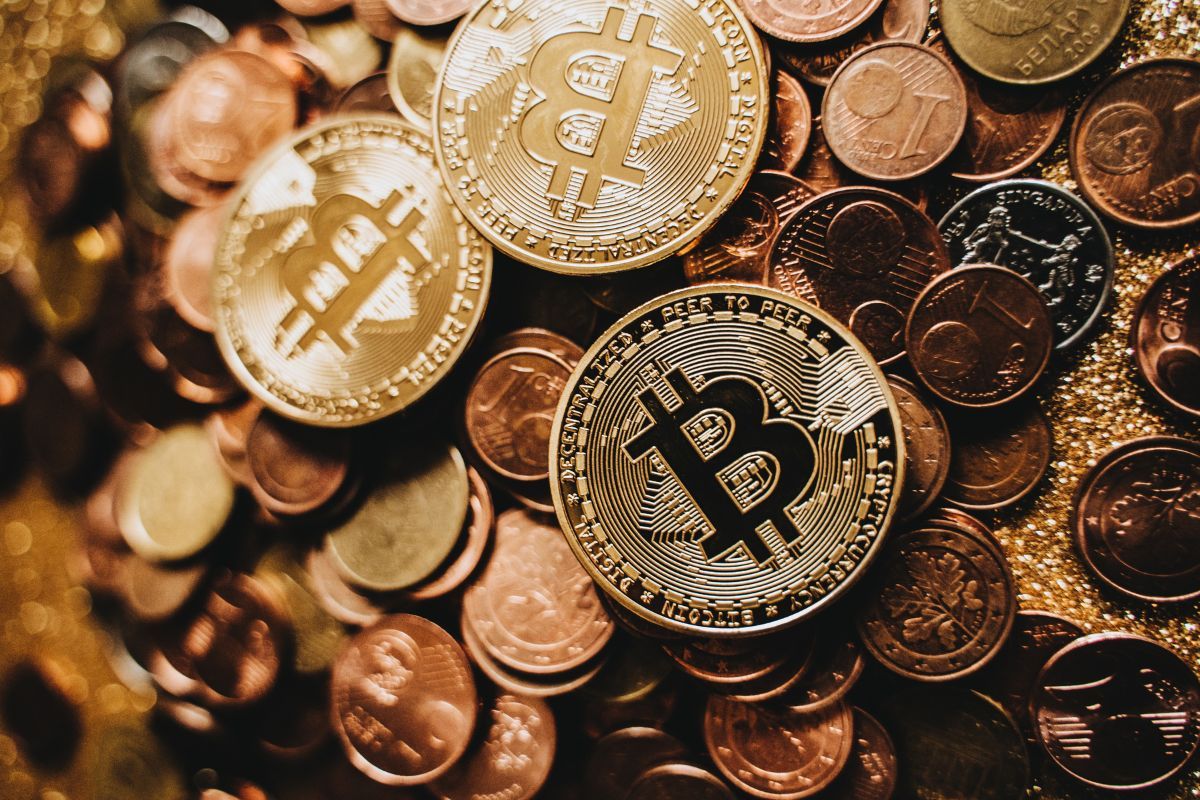
In the world of cryptocurrency, the term altcoin refers to all cryptocurrencies other than Bitcoin. Altcoin is short for alternative coin, and they emerged as innovations offering features different from Bitcoin.
Since the emergence of Bitcoin in 2009, thousands of altcoins have been developed to address Bitcoin's limitations, such as transaction speed, scalability, and additional functionality like smart contracts.
This article discusses the definition of altcoins, their types, advantages, risks, and how to choose the right altcoin in 2026.
Key Points
- Altcoins are all cryptocurrencies other than Bitcoin, ranging from Ethereum to meme tokens
- As of September 2026, there are over 21,500 listed cryptocurrencies, and altcoins account for approximately 42.7% of the total market capitalization
- Altcoins are divided into six main types, each with a different purpose
- Their main advantages are technological innovation, lower transaction costs, and higher growth potential
- The biggest risks are extreme volatility, low liquidity, and projects that cease development
- Choosing the right one is based on six steps, not on rising prices
What is an Altcoin?
Altcoins are all cryptocurrencies that are not Bitcoin.
Since Bitcoin appeared in 2009, thousands of altcoins have been developed to provide solutions to Bitcoin's limitations. Most focus on transaction speed, scalability, or additional functions like smart contracts.
Some altcoins use technology similar to Bitcoin. Others have entirely different blockchains, consensus algorithms, or security mechanisms.
To give you an idea of the scale, here is the data as of September 24, 2026:
- There are more than 21,500 cryptocurrencies listed on data aggregators like CoinGecko
- The total crypto market capitalization is approximately US$2.95 trillion
- Bitcoin dominance is 57.3%, which means altcoins in total account for 42.7% or about US$1.26 trillion
- Ethereum alone accounts for 11.1%, so all altcoins outside of Ethereum share the remaining 31.6%
That last figure is significant. Thousands of altcoins are competing for a much smaller portion than many people realize. Examples of popular altcoins include Ethereum (ETH), BNB, Cardano (ADA), and Solana (SOL).
Read also: Understanding Stablecoins, from Fiat-Backed to Algorithmic
Types of Altcoins
Altcoins can be categorized based on their function and the technology they use. Here are the six main types.
1. Smart contract platforms
These are blockchains that can execute programs, not just record transfers. Financial applications, games, and digital marketplaces are built on top of them. Examples include Ethereum, Solana, Cardano, and Avalanche. This group typically has the largest market capitalization among altcoins.
2. Stablecoins
Their value is kept stable, usually pegged to the US dollar or gold. They function as a place to park funds and as a medium of exchange, rather than as growth assets. As of September 2026, the total stablecoin market capitalization is approximately US$308 billion, or 10.43% of the entire crypto market. Examples include USDT, USDC, and XAUt, which is backed by physical gold.
3. Utility tokens
Tokens that provide access to specific services within an ecosystem. They can function as transaction fee discounts, feature access rights, or network fuel. Examples include BNB in the Binance ecosystem.
4. Governance tokens
Holders have the right to participate in decisions regarding the development of a protocol, such as treasury usage or rule changes. Examples include Uniswap's UNI and AAVE.
5. Meme coins
Born from internet culture and communities rather than technical solutions. Their value is highly dependent on public attention. Examples include Dogecoin and Shiba Inu. This is the most speculative category and the most prone to rapid reversals.
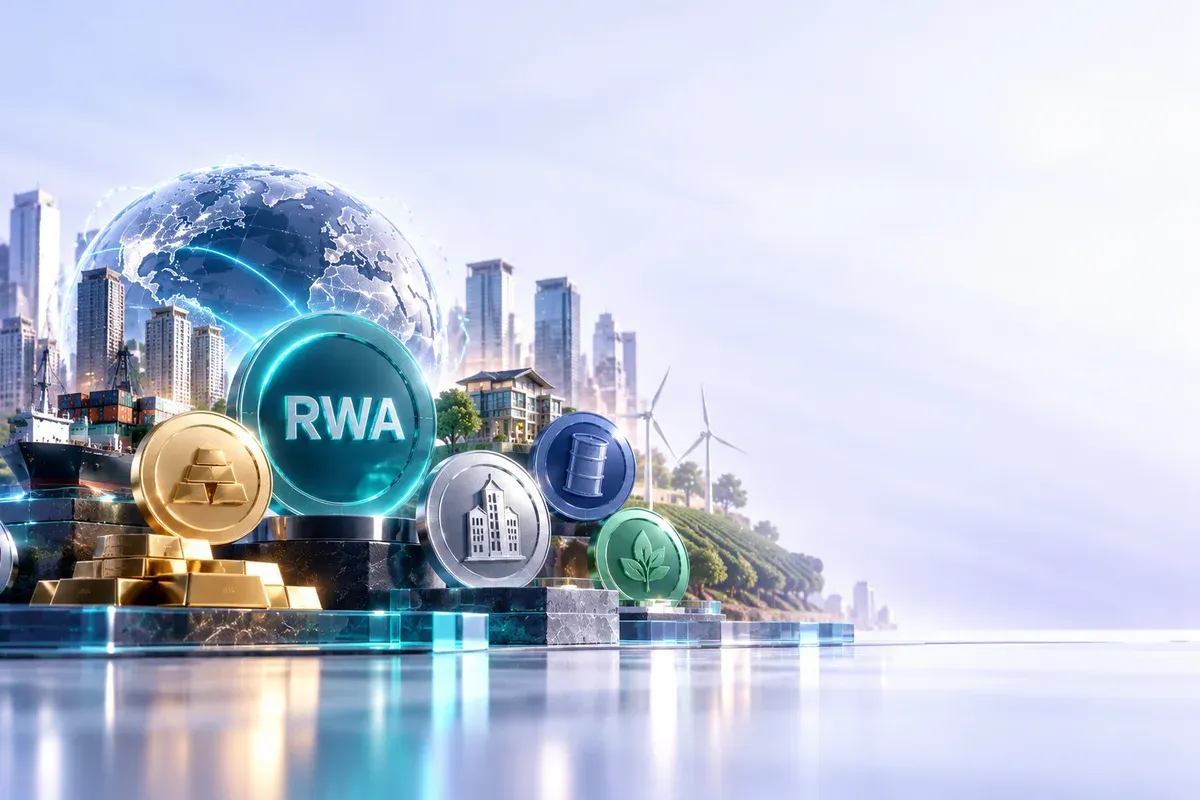
6. Real-world asset tokens
Represent physical or traditional financial assets in tokenized form, such as gold, stocks, or bonds. This category grew rapidly throughout 2026 as institutional players entered the space.
Advantages of Altcoins
Altcoins offer several features that Bitcoin does not.
1. Much broader functionality
Bitcoin is primarily designed as a store of value and a transfer tool. Altcoins can execute smart contracts, which are programs that run automatically without intermediaries. This has given rise to lending applications, decentralized exchanges, and digital marketplaces.
2. Transaction costs and speed
A number of altcoins are designed to process transactions much faster and at a much lower cost than Bitcoin. This makes them more practical for small, frequent transactions.
3. Higher growth potential
Because their market capitalization is much smaller, altcoins can move much further in a short period. Keep in mind that this works both ways, and this point will be discussed further in the risks section.
4. Options for diversification
Each type of altcoin responds to market conditions differently. Stablecoins tend to be stable when the market is volatile, while platform tokens move according to developer activity on their networks.
5. Access to specific sectors
Through altcoins, you can take positions in specific sectors such as decentralized finance, data storage, artificial intelligence, or real-world assets.
Read also: Are NFTs Valid Proof of Digital Ownership?
Risks of Investing in Altcoins
Every advantage mentioned above has a flip side. Here are the risks you need to understand.
1. Much more extreme volatility
Altcoins can surge by tens of percent in a single day, and they can drop just as sharply. The smaller the market capitalization, the greater the swings. A full explanation can be found in What Is Volatility.
2. Low liquidity
For small-cap altcoins, even a relatively small sell order can drive the price down. The spread between buy and sell prices is also wide. How to measure this is discussed in Crypto Liquidity.
3. Projects ceasing development
Most altcoins that have been launched are now inactive. Their development teams have disbanded, their networks have shut down, or their communities have vanished. The tokens may still be tradable, but there is no longer anyone building behind them.
4. Dependency on single news events
Many altcoins move based on a single announcement, such as a partnership or a listing on a new exchange. Rallies like these often reverse once the news has been fully absorbed by the market.
5. Security and fraud risks
Smart contracts can have vulnerabilities that get exploited. There are also projects designed to deceive from the start, with developers disappearing once funds have been collected.
6. Regulatory uncertainty
The legal status of an asset can change. In Indonesia, ensure that the assets you purchase are registered and traded through platforms licensed by the OJK.
Read also: What Are Blue Chip Cryptos? A Complete Guide for Investors
How to Choose the Right Altcoins in 2026
Choosing altcoins shouldn't be based on rising prices. Here are six steps you can follow.
1. Understand the problem being solved
Read the project's official documentation and find a one-sentence answer: what problem does it solve, and why is blockchain necessary? If you can't explain it to someone else in a simple sentence, hold off.
2. Check development activity
Check if the code is updated regularly and if the team is transparent about their identities. Projects that haven't been updated in months are a red flag.
3. Check market capitalization and trading volume
Compare daily volume with market capitalization. Thin volume means you might have trouble selling when you need to. Volume significantly higher than market cap could indicate highly speculative trading.
4. Study the token supply
Find out the total supply, how much is currently in circulation, and when the rest will be released. Large token unlocks can put downward pressure on prices even if the project is performing well.
5. Ensure it is listed on licensed platforms
In Indonesia, crypto asset trading is supervised by the OJK. Buying through a licensed platform provides you with protections not available on unlicensed platforms.
6. Determine position size before buying
Decide on the altcoin's portion of your portfolio before you get interested in a specific asset, not after. The complete framework is available at How to Choose Assets.
A Practical Example of Comparing Two Altcoins
Suppose you are interested in Ethereum and Solana. Both are smart contract platforms, but they have different characteristics.
Ethereum has the most mature decentralized finance and NFT ecosystem, the largest number of developers, and the longest track record. Its market capitalization accounts for approximately 11.1% of the entire crypto market, making its price movements relatively more stable compared to other altcoins.
Solana offers significantly higher transaction speeds with very low fees. Its ecosystem is younger but growing rapidly, particularly in token trading and consumer applications. Its market capitalization is much smaller, resulting in sharper price movements in both directions.
The way to compare them is not by looking for which is better, but which aligns with your goals. If you prioritize ecosystem maturity and more stable price action, Ethereum is more suitable. If you are willing to accept greater volatility for the potential of higher growth, Solana is a better fit.
Always remember that past performance does not guarantee future results.
Summary Table
| Jenis | Fungsi Utama | Contoh | Pertimbangan |
|---|---|---|---|
| Platform Smart Contract | Menjalankan aplikasi di atas blockchain | ETH, SOL, ADA | Persaingan antarjaringan ketat |
| Stablecoin | Menjaga nilai tetap dan alat transaksi | USDT, USDC, XAUt | Bergantung pada kualitas cadangan |
| Token Utilitas | Akses layanan dalam satu ekosistem | BNB | Nilai terikat pada satu platform |
| Token Tata Kelola | Hak suara atas arah protokol | UNI, AAVE | Hak suara sering terkonsentrasi |
| Meme Coin | Digerakkan komunitas dan perhatian publik | DOGE, SHIB | Paling spekulatif dan dapat berbalik cepat |
| Token Aset Dunia Nyata | Mewakili aset fisik atau keuangan | XAUt, saham tertokenisasi | Terikat pada regulasi aset dasarnya |
Conclusion
Altcoins are a vital part of the cryptocurrency ecosystem, offering innovations and opportunities not available with Bitcoin.
However, their diversity also means that quality varies significantly. Out of more than 21,500 listed cryptocurrencies, only a small fraction have active development, sufficient liquidity, and clear utility.
Therefore, in-depth research and an understanding of the risks are far more decisive for your results than guessing which asset will rise next. With the ongoing development of blockchain technology, altcoins have the potential to play an increasingly significant role in digital finance.
Start Investing in Altcoins on Mobee
Want to start investing in altcoins safely and reliably? Download the Mobee app now and begin your crypto investment journey with a platform licensed by the OJK.
This article is prepared for informational and educational purposes only and does not constitute investment advice. Crypto assets carry high risks and their prices can change at any time. Conduct your own research before making any decisions.
Frequently Asked Questions
Apa itu altcoin?
Altcoin adalah semua mata uang kripto selain Bitcoin, seperti Ethereum, Solana, dan Cardano.
Apa saja jenis altcoin?
Jenis altcoin meliputi stablecoin, token utilitas, token keamanan, meme coin, token tata kelola, token AI, dan token Layer 2.
Apa keunggulan altcoin dibanding Bitcoin?
Altcoin menawarkan beragam inovasi teknologi dan fungsi, seperti DeFi, NFT, smart contract, serta jaringan dengan biaya transaksi atau waktu penyelesaian yang berbeda dari Bitcoin.
Apa risiko berinvestasi di altcoin?
Risiko altcoin mencakup volatilitas tinggi, likuiditas rendah, risiko keamanan dan regulasi, proyek yang tidak berkelanjutan, serta potensi penipuan.
Bagaimana cara memilih altcoin yang tepat?
Lakukan riset fundamental, periksa kapitalisasi pasar dan likuiditas, pahami use case proyek, pantau sentimen pasar, kelola risiko, dan gunakan platform terpercaya seperti Mobee.
Sources:
- Altcoin Explained: Pros and Cons, Types, and Future. Accessed in 2026. Investopedia.
- What Are Altcoins? A Guide For Investors. Accessed in 2026. Forbes.
- Global Cryptocurrency Market Cap Charts. Accessed on September 24, 2026. CoinGecko.
 Direct market access from the app
 Start exploring digital assets with Mobee
Track the market, learn about digital assets, and start trading more conveniently with the Mobee App.
Mobee is licensed and supervised by the OJK. Not a solicitation to buy or sell any asset.