Ren Protocol: The Interoperability Bridge for DeFi Ecosystem
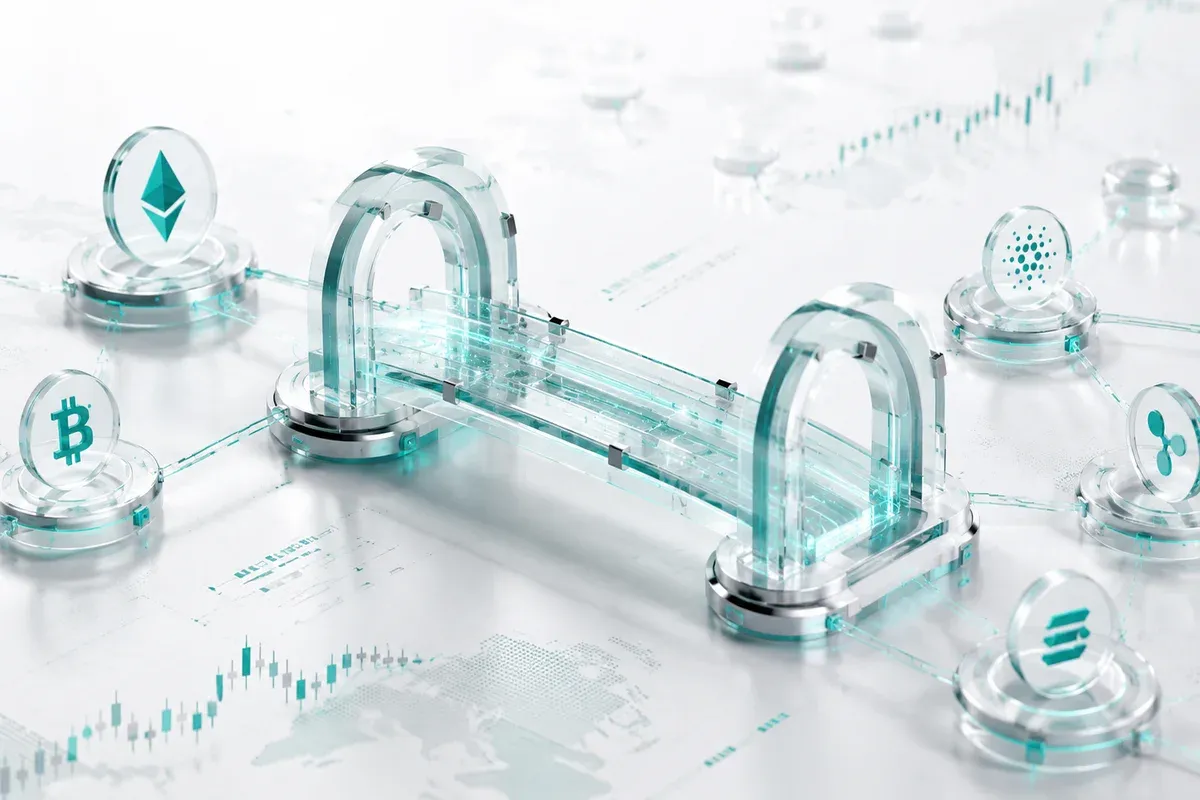
Ren is a cross-chain interoperability protocol that uses the REN token to coordinate network activity. The protocol lets assets like Bitcoin, Bitcoin Cash, and Zcash move into Ethereum without a centralized exchange.
Its best-known product is renBTC, a bridged Bitcoin token once used across DeFi apps. If you are new, understand that REN is not a payment token but a utility token inside one ecosystem. Unlike other crypto types focused on transferring value, REN is tied to bridge infrastructure and cross-chain liquidity.
Key Points
-
Definition: REN is the utility token of the Ren protocol for cross-chain asset bridging.
-
Function: The token supports staking, operator incentives, and RenVM network coordination.
-
History: RenVM mainnet has been running since June 2020 and became a popular bridge.
-
Risk: REN adoption has dropped far from its TVL peak of about $1.3 billion in May 2021.
-
Strategy: Before buying, review catalysts, liquidity, and the progress of the Ren 1.0 iteration.
What is Ren?
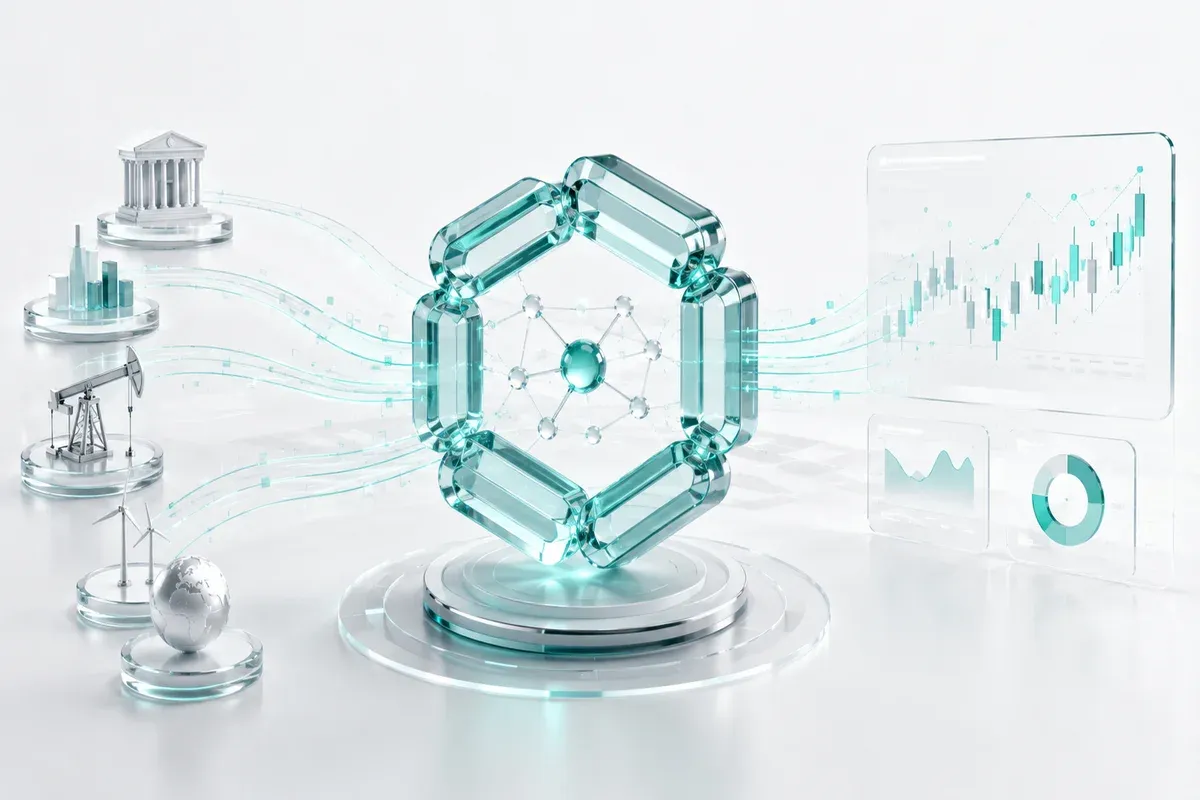
Ren is an interoperability network developed from the Republic Protocol project in 2017. Its goal is to connect Bitcoin, Bitcoin Cash, and Zcash ecosystems to Ethereum without a centralized exchange. Users lock native assets on the source chain, then RenVM creates token versions on the destination chain. The bridged products are called renBTC, renBCH, and renZEC.
Key characteristics of REN:
• Utility token: REN is not designed for everyday payments.
• Total supply: 1 billion REN with nearly all tokens in circulation.
• Sector: interoperability and cross-chain bridges.
By understanding this position, you can compare REN with on-chain analysis of other assets before entering.
How the Ren protocol works
The Ren protocol works like a bridge without a centralized intermediary. The process can be broken into four steps:
1. Locking assets: Users send native assets like BTC to an address controlled by RenVM.
2. Minting tokens: RenVM issues representation tokens such as renBTC on the destination network.
3. DeFi usage: Bridged tokens can be used for liquidity, lending, or trading.
4. Redemption: When users want the native asset back, RenVM burns the representation token and releases the native asset.
This mechanism is similar to a crypto payment method, but security depends heavily on smart contract quality.
Main functions of the REN token
REN is not used to buy coffee. Its role is network operations:
• Staking: REN is used as collateral by RenVM node operators to maintain security.
• Service fees: Part of bridge fees can be paid in REN, depending on protocol parameters.
• Governance: REN holders can vote on network parameter decisions.
• Incentives: REN was used to reward darknode operators in early versions.
If you like staking mechanisms, this concept differs from regular staking crypto because it focuses on securing a bridge.
REN performance and market data
Based on market data as of early 2026, REN is a small-cap asset with thin liquidity. Its price rose sharply in 2021, then dropped as bridge demand faded.
Important data points:
• RenVM mainnet: Live since June 2020 according to Ren documentation.
• Peak TVL: Close to $1.3 billion in May 2021 based on DefiLlama data.
• Total supply: 1 billion REN with almost full circulation according to CoinGecko as of June 2026.
• Liquidity: Daily volume is unstable, so price slippage can be large.
For traders, thin liquidity means large orders can move the price faster. That is why crypto trading tips matter before taking a position.
Main catalysts for REN
Catalysts are events that can change market sentiment toward REN. Watch these:
• Ren 1.0: The architecture upgrade proposed as early as 2023 could revive interest if it follows the roadmap.
• Bridge adoption: Higher cross-chain volume and demand for assets like renBTC are positive signals.
• Ecosystem partnerships: Integration with DeFi apps or new networks can unlock extra utility.
• Market conditions: Risk-on phases usually lift small-cap crypto assets, including REN.
Catalysts do not automatically push prices up. Active traders often use crypto day trading patterns to time momentum.
Main risks of holding REN
The main risks are not only price-related but also infrastructure-related:
• Smart contract risk: A bug in RenVM could trap or lose funds. Reduce this by using audited protocols and limiting position size.
• Liquidity risk: Thin volume makes prices easy to slip. Use limit orders and avoid unhealthy trading pairs.
• Competition risk: WBTC and modern cross-chain bridges offer better user experience. Compare TVL and fees before choosing.
• Validation risk: Node issues or forks can affect token value. Monitor network status and community news.
These risks cannot be removed, but they can be managed with smaller positions and independent research.
How to evaluate REN before buying
Follow these steps before making a decision:
1. Check liquidity: Look at daily volume on CoinGecko or CoinMarketCap to make sure you can exit fairly.
2. Monitor catalysts: Check whether the next Ren iteration has a clear timeline or is already live.
3. Compare the sector: Assess whether REN is still relevant compared with other bridging protocols.
4. Calculate exposure: Keep REN as a small part of a portfolio because volatility is high.
If the data does not support the thesis, do not force a buy just because the price looks cheap.
REN summary table
| Aspect | Data | Meaning |
|---|---|---|
| Token | REN | Utility asset of the Ren protocol |
| Total supply | 1 billion REN | No unlimited inflation |
| RenVM mainnet | June 2020 | Start of bridge services |
| Peak TVL | $1.3 billion | Adoption peaked in May 2021 |
| Category | Interoperability | Different from payment tokens |
Conclusion
Ren is a bridging protocol with real adoption history, but REN is not a risk-free asset. A 1 billion token supply, a $1.3 billion TVL peak, and declining activity show that you need to be selective. Study technical progress, liquidity, and market conditions before entering. A low price does not always mean cheap. Understand the risks and set a loss limit if you want to try this kind of asset.
FAQ
What is the REN token?
REN is the utility token of the Ren protocol, used for coordination, node operator staking, and network governance. Its total supply is 1 billion tokens according to CoinGecko.
Is Ren still active in 2026?
Ren activity is much lower than its peak in May 2021, when TVL reached nearly $1.3 billion. The team has proposed a new iteration, but roadmap status should be checked through official channels.
What is the difference between Ren and WBTC?
WBTC is a centralized bridge managed by BitGo and more liquid, while Ren once offered a less centralized approach. This difference affects counterparty risk and adoption levels.
What is the total supply of REN?
The total supply of REN is 1 billion tokens, and almost all of them are in circulation. This means there is little hidden inflation that could dilute holders.
Is REN safe for beginners?
REN is a high-risk asset because of thin liquidity and competition in the bridge sector. Beginners should limit their position size and learn risk management first.
Start with Mobee
Mobee is a digital asset platform licensed and supervised by OJK, helping users explore crypto and investment products with clearer access and practical learning. Start your investment journey through Mobee and choose products that match your goals and risk profile.
 Direct market access from the app
 Start exploring digital assets with Mobee
Track the market, learn about digital assets, and start trading more conveniently with the Mobee App.
Mobee is licensed and supervised by the OJK. Not a solicitation to buy or sell any asset.