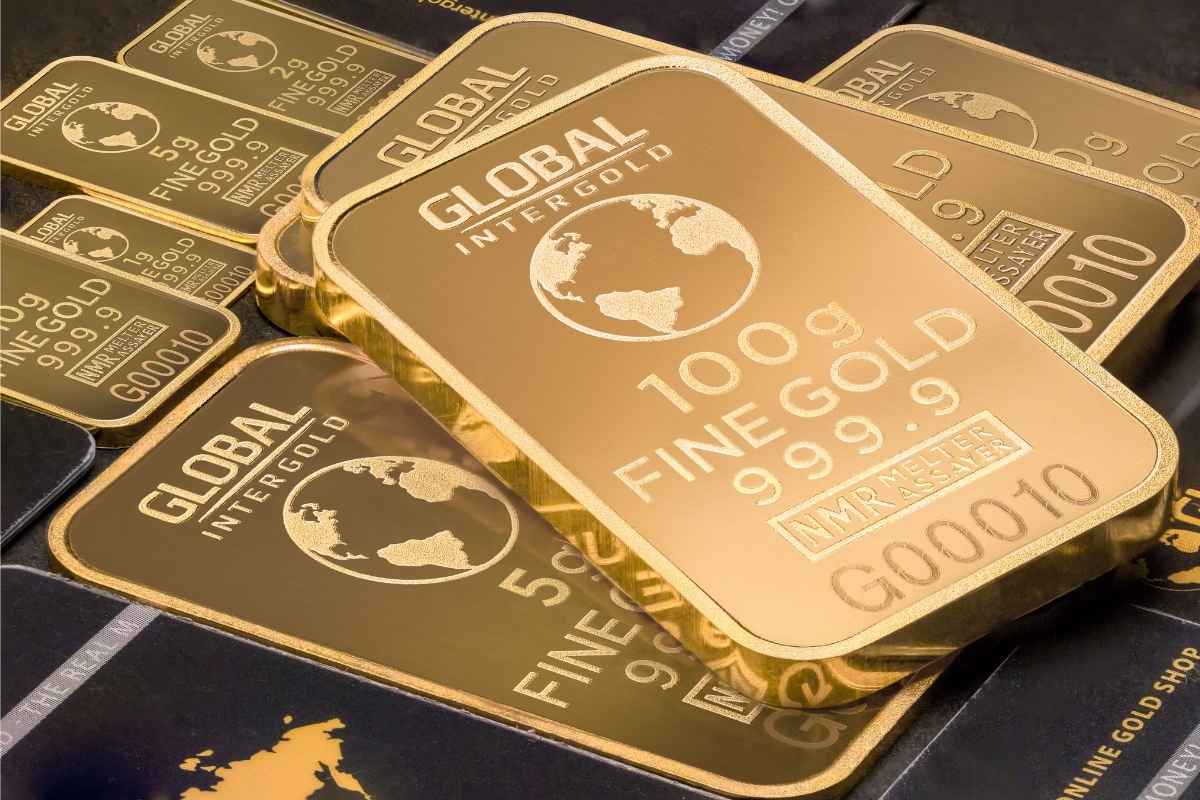
Platinum is a precious silvery-white metal with the chemical symbol Pt and atomic number 78. It belongs to the platinum group metals (PGMs), which are among the rarest elements in the Earth's crust. Unlike gold, which is primarily used as a monetary reserve, platinum has strong industrial demand, especially in automotive catalysts and jewelry. Due to its higher scarcity than gold, platinum is often referred to as a "premium precious metal" and serves as an alternative investment asset alongside gold and silver.
Key Points
- Platinum definition: A rare precious metal (symbol Pt) with higher density and occasionally higher per-gram price than gold in certain periods.
- Key difference: Platinum has a higher melting point and superior corrosion resistance, making it ideal for industrial applications and luxury jewelry.
- Industrial role: About 40% of platinum demand comes from the automotive sector for catalytic converters, according to the World Platinum Investment Council (WPIC) 2026 data.
- Investment channels: Available as physical bars/coins, platinum ETFs, or futures contracts, but with lower liquidity than gold.
- Main risks: Platinum prices are more volatile and sensitive to industrial slowdowns, especially in the automotive sector and global economic cycles.
What Is Platinum?
Platinum is a naturally occurring precious metal, often found alongside nickel and copper deposits. It has a high density, a melting point of 1,768 degrees Celsius, and does not readily react with air or water. These properties give platinum exceptional resistance to tarnish and corrosion. Because of its rarity — annual global production is only about 150–180 metric tons, far less than gold's 3,000 tons — platinum holds significant intrinsic value. According to the US Geological Survey (USGS) 2026, platinum reserves are concentrated in South Africa (around 70%), Russia, and Zimbabwe.
Differences Between Platinum, Gold, and Silver
Platinum is often compared to gold and silver, but each has distinct characteristics.
• Scarcity: Annual platinum production is only 1/20th of gold production, making it rarer.
• Usage: Gold is predominantly used for investment and jewelry, while platinum is 50% used in automotive and chemical industries.
• Price: Platinum's per-ounce price has often been lower than gold over the past decade, but it surpassed gold during the 2008–2011 period.
• Volatility: Platinum prices experience sharper movements due to its narrower industrial demand base.
• Liquidity: The platinum market is smaller and less liquid than gold, resulting in wider bid-ask spreads.
As of March 2026, Kitco data shows platinum trading around USD 950–1,050 per troy ounce, while gold is around USD 2,400–2,500. This gap suggests platinum is historically undervalued relative to gold.
Industrial Uses and Applications of Platinum
Platinum's unique catalytic properties make it critical in several industries.
• Automotive catalysts: Around 40% of platinum demand is used in catalytic converters for diesel vehicles, reducing harmful emissions.
• Jewelry: Platinum is used in high-end jewelry for its natural white luster and hypoallergenic properties, accounting for about 25% of demand.
• Electronics: Used in hard drives, sensors, and electrical components due to its stable conductivity.
• Medicine: Employed in pacemakers, implants, and anticancer drugs such as cisplatin.
• Chemical industry: Acts as a catalyst in the production of nitric acid, silicone, and petroleum.
According to Johnson Matthey's 2026 report, platinum demand from the automotive sector is expected to decline by 2% annually as the shift to electric vehicles reduces the need for conventional catalytic converters. This poses a long-term challenge for platinum prices.
Platinum as an Investment Instrument
Investors can gain exposure to platinum through several instruments.
• Physical platinum: Buying bars or coins from reputable dealers. Pros: direct ownership. Cons: storage and insurance costs.
• Platinum ETFs: Exchange-traded funds tracking platinum prices, such as PPLT or SPPP. Easier to trade and more liquid.
• Futures contracts: Trading platinum futures on COMEX. Suitable for experienced traders.
• Mining stocks: Buying shares of companies like Anglo American Platinum or Impala Platinum. Performance tied to company operations, not directly to metal price.
These instruments differ from jenis kripto which are more speculative and lack the intrinsic value of precious metals.
Advantages and Disadvantages of Platinum Investment
Advantages:
• Inflation hedge: Platinum tends to rise during inflationary periods, though not as strongly as gold.
• Portfolio diversification: Low correlation with stocks and bonds can reduce overall portfolio risk.
• Appreciation potential: If industrial demand recovers or supply is disrupted, platinum prices can surge.
Disadvantages:
• High volatility: Prices fluctuate more due to narrow demand base.
• Low liquidity: Harder to sell quickly without a price discount.
• Storage costs: Physical platinum requires expensive storage and insurance.
• No passive income: Unlike staking crypto, platinum does not generate yield.
How to Buy Platinum in Indonesia
Follow these steps to buy physical platinum safely.
1. Choose a trusted seller: Look for certified gold dealers or banks offering platinum bars, such as PT Antam or UBS.
2. Check daily prices: Monitor platinum prices on sites like Antam's Logam Mulia or Kitco to buy at the best rate.
3. Verify authenticity: Request a certificate of authenticity and test the metal. Study ciri-ciri perak asli as a comparison reference.
4. Select investment form: 1-ounce bar, 10-gram bar, coin, or special design platinum.
5. Store securely: Use a safe deposit box or a home safe with insurance.
6. Sell when profitable: Monitor buyback prices, which are typically 5–10% below market price.
For non-physical investment, you can open an account through platforms offering investasi saham pemula or other OJK-supervised instruments.
Risks of Platinum Investment
Platinum investment carries several risks investors must understand.
• Price risk: Platinum prices are highly sensitive to global economic slowdowns. During recessions, industrial demand plunges, and prices can drop 30–50%. Example: the 2008 crisis saw platinum fall from USD 2,200 to USD 800.
• Substitution risk: Electric vehicle technology reduces the need for platinum in catalytic converters. According to BloombergNEF 2026, EV market share is predicted to reach 30% by 2030, pressuring platinum demand.
• Liquidity risk: The platinum market is thinner, so bid-ask spreads are wider. Large sell orders can move prices unfavorably.
• Storage risk: Physical platinum requires costly storage and insurance. Home storage exposes it to theft.
• Regulatory risk: Changes in environmental policies or mining disruptions in South Africa can affect supply, causing price swings.
Factors Affecting Platinum Prices
Several key factors drive platinum price movements.
• Mine supply: Strikes in South Africa or operational disruptions in Russia can cut global supply. South Africa accounts for 70% of world production.
• Industrial demand: Performance of the automotive sector, especially European diesel vehicles, heavily influences demand. WPIC Q1 2026 data shows a 3% year-on-year decline in this sector.
• US dollar strength: Since commodities are priced in dollars, a stronger dollar tends to depress platinum prices.
• Market sentiment: Institutional and hedge fund activity often drives short-term volatility.
• Gold price as benchmark: Platinum often tracks gold movements, albeit with greater amplitude.
To understand these patterns, you can study tips trading crypto which is also relevant for commodity analysis.
Platinum vs Gold Price Comparison (2026)
Below is a comparison table based on recent data.
Sources: USGS 2026, Kitco March 2026. The table shows platinum is rarer than gold in terms of crustal abundance, yet its current price is lower. This presents both a potential opportunity and a risk due to industrial dependence.
Conclusion
Platinum is a rare precious metal with a dual role as both an investment asset and an industrial material. Its key difference from gold lies in its heavy reliance on industrial demand, which makes its price more volatile. For investors seeking diversification and willing to accept higher volatility, platinum can be an attractive addition to a portfolio — provided they understand the risks and proper buying methods. Monitor supply factors, industrial demand trends, and EV adoption to make informed decisions.
FAQ
Start with Mobee
Mobee is a digital asset platform licensed and supervised by OJK, helping users explore crypto and investment products with clearer access and practical learning. Start your investment journey through Mobee and choose products that match your goals and risk profile.