Digital Gold: An Investment Instrument You Need to Understand

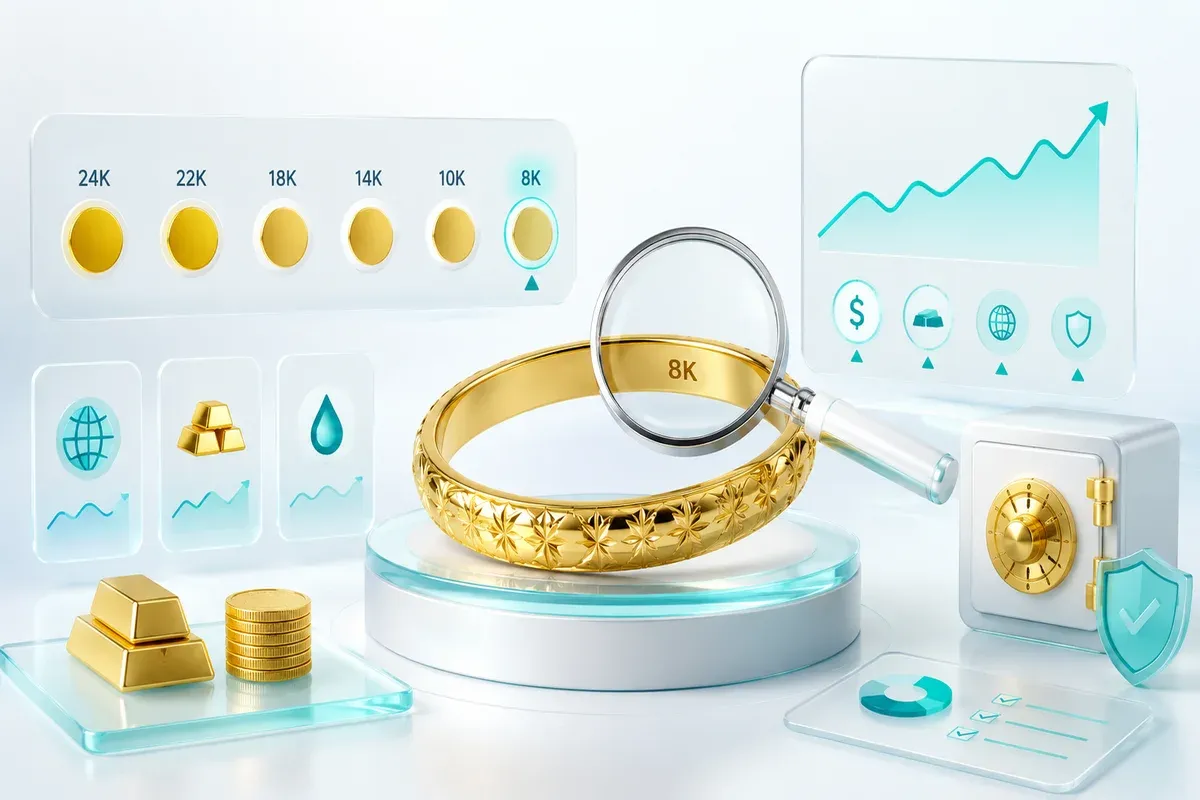
Digital gold is a tokenized representation of physical gold on the blockchain, allowing investors to buy, sell, and hold gold digitally with value directly tied to physical gold. Its main advantages include high liquidity, fractional ownership, and ease of trading without storing physical bars. Platforms like Mobee provide access to these assets so retail investors can start with small capital. However, risks like counterparty risk and premium fluctuations must be understood. This article covers how digital gold works, benefits, risks, taxes, and steps to start. • Definition: Digital gold is a crypto token representing physical gold ownership, such as XAUT or PAXG. • How it works: Each token is backed by gold bullion stored in vaults with regular audits. • Key benefits: 24/7 liquidity, fractional ownership, no physical storage costs. • Main risks: Counterparty risk, potential premium/discount, and market liquidity. • Tax: In Indonesia, digital gold is subject to 0.1% final income tax and 11% VAT under PMK-48/2023.
Key Points
-
Definition: Digital gold is a crypto token representing physical gold ownership, such as XAUT or PAXG.
-
How it works: Each token is backed by gold bullion stored in vaults with regular audits.
-
Key benefits: 24/7 liquidity, fractional ownership, no physical storage costs.
-
Main risks: Counterparty risk, potential premium/discount, and market liquidity.
-
Tax: In Indonesia, digital gold is subject to 0.1% final income tax and 11% VAT under PMK-48/2023.
What is Digital Gold?
Digital gold is a cryptocurrency whose value is pegged to the price of physical gold. Tokens like XAUT (Tether Gold) or PAXG (PAX Gold) each represent one troy ounce of gold stored in audited vaults. According to CoinGecko data as of April 2026, XAUT had a market capitalization of around $630 million, indicating steady adoption. This allows investors to buy gold in small fractions without purchasing whole bars. Learn more about xaut-token.
How Digital Gold Works
The issuer buys physical gold, stores it with a custodian, and then issues tokens representing ownership. Each token can be redeemed for physical gold or its fiat equivalent. For example, PAXG allows redemption through custodian partners with certain fees. The process is verified by periodic third-party audits. The benefit is that investors avoid concerns about physical storage or vault security. Explore other jenis kripto that also use real-world asset models.
Benefits of Digital Gold for Investors
- High liquidity: Digital gold trades 24/7 on crypto exchanges, unlike physical gold limited to store hours.
- Fractional ownership: You can buy as little as 0.01 grams, making it more affordable.
- Low storage costs: No need for safe deposit boxes or insurance for physical gold.
- Transparency: Balances and prices are verifiable in real-time on the blockchain.
- Easy transfer: Digital gold can be moved between exchanges or wallets without physical logistics.
Key Risks to Consider
- Counterparty risk: If the issuer goes bankrupt, physical gold claims may be at risk. Example: past custodian platform failures.
- Premium or discount: Token price can deviate from NAV due to market demand. In March 2026, XAUT traded at a 0.5% premium above spot.
- Limited liquidity: Smaller market cap tokens may be hard to sell during volatility.
- Regulatory risk: Legal status is still evolving. In Indonesia, digital gold is treated as a digital commodity with specific taxes.
- Technology risk: Smart contracts or platforms could be hacked, though rare.
To mitigate risks, choose tokens from reputable issuers with regular audits and diversify holdings. Check tips trading crypto for risk management strategies.
Comparison Table: Digital Gold vs Physical Gold
| Aspect | Digital Gold | Physical Gold |
|---|---|---|
| Liquidity | 24/7 on crypto exchanges | Limited to gold store operating hours. |
| Ownership | Fractional ownership down to 0.01 grams. | Generally requires a minimum purchase of 1 gram. |
| Storage Cost | No direct storage cost, except for exchange or platform fees. | May require a safe deposit box or insurance. |
| Main Risk | Platform risk | Physical theft Physical damage |
| Tax in Indonesia | 0.1% income tax and 11% VAT. | 0.45% income tax when the transaction exceeds the applicable threshold. |
| Ownership Proof | Blockchain record | Ownership certificate and the physical gold itself. |
Source: PMK-48/2023 and industry data.
Costs and Taxes on Digital Gold
Main costs include bid-ask spreads, exchange fees (typically 0.1-0.3%), and redemption fees if converting to physical. In Indonesia, taxes follow PMK-48/2023, classifying digital gold as a crypto asset. A final income tax (PPh) of 0.1% on transaction value and a Value Added Tax (VAT) of 11% on the sale value apply. The platform deducts these automatically. For details, see pajak kripto.
How to Start Investing in Digital Gold
- Choose a trusted platform: Use a licensed exchange like Mobee, supervised by OJK.
- Register and verify: Complete KYC with ID and selfie.
- Deposit funds: Transfer via bank transfer or QRIS. Follow tutorial Mobee for guidance.
- Buy digital gold: Purchase XAUT or PAXG on the spot market at market price.
- Store in a wallet: For large amounts, consider a non-custodial wallet for extra security.
- Monitor price: Use on-chain analysis tools to track premium changes. Learn analisis on-chain.
Conclusion
Digital gold offers a modern way to invest in gold with high liquidity, low costs, and global access. However, investors must remain aware of platform risks, premium deviations, and tax implications. Start with well-known tokens like XAUT or PAXG and use regulated platforms. Diversification remains key to managing overall portfolio risk.
FAQ
What is the difference between digital gold and physical gold?
Digital gold is a blockchain-based token that represents ownership of physical gold, while physical gold is a tangible asset that can be held directly. Digital gold generally offers easier trading, fractional ownership, and more flexible liquidity.
Is digital gold safe for long-term investment?
Digital gold may be relatively suitable for long-term diversification when it is issued by a reputable provider, backed by transparent gold reserves, and regularly audited. However, investors should still consider counterparty risk, platform risk, and fluctuations in the token’s premium or discount to the underlying gold price.
What is the minimum investment in digital gold?
The minimum investment depends on the platform. Some providers allow purchases starting from 0.01 grams. At a gold price of approximately IDR 1.3 million per gram, 0.01 grams would be worth around IDR 13,000, excluding transaction fees.
Is digital gold taxable in Indonesia?
Yes. Digital gold transactions may be subject to Indonesian taxes, including a 0.1% final income tax and 11% VAT under PMK-48/2023, depending on the product classification and transaction mechanism. The applicable tax is generally deducted automatically by the platform.
How can digital gold be redeemed for physical gold?
Redemption is handled through the issuer or platform that provides a physical gold conversion service. Investors usually need to hold a minimum amount, such as one token or one ounce, submit a redemption request, pay any applicable administrative or delivery fees, and wait several business days for verification and processing.
Start with Mobee
Mobee is a digital asset platform licensed and supervised by OJK, helping users explore crypto and investment products with clearer access and practical learning. Start your investment journey through Mobee and choose products that match your goals and risk profile.
 Direct market access from the app
 Start exploring digital assets with Mobee
Track the market, learn about digital assets, and start trading more conveniently with the Mobee App.
Mobee is licensed and supervised by the OJK. Not a solicitation to buy or sell any asset.