Currency Devaluation: Definition, Objectives, & Impacts
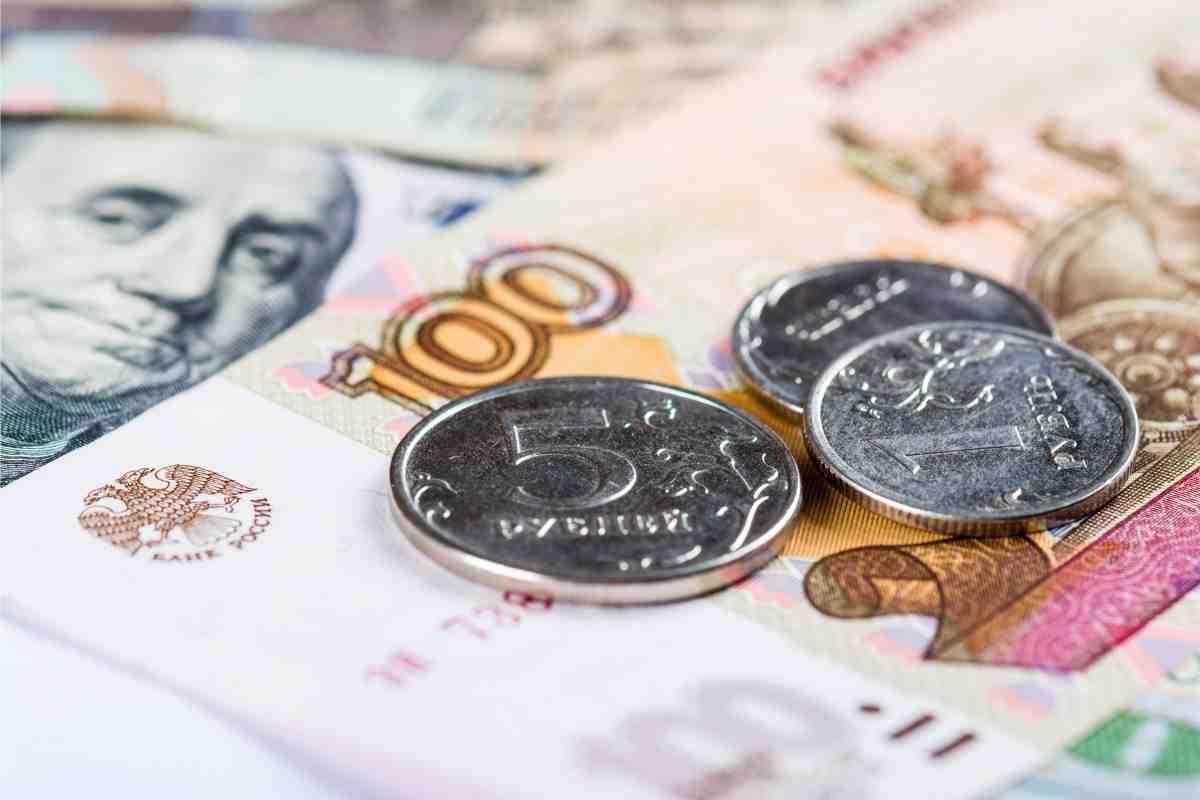
Currency devaluation is a measure taken by governments or central banks to officially lower the value of a domestic currency against foreign currencies or international standards. This policy differs from depreciation, which is a natural weakening of a currency driven by market forces. In a devaluation, monetary authorities set a new, lower exchange rate, meaning more units of the domestic currency are required to purchase foreign currency.
In general, devaluation is applied by countries that adopt a fixed exchange rate system, where the government plays an active role in determining the official exchange rate and intervening in the market.
Read also: The Declining Value of Money: Causes, Impacts, and How to Respond
Objectives of Devaluation Policy
One of the main objectives of devaluation is to increase export competitiveness. When a country’s currency is devalued, the prices of its goods become cheaper in international markets when denominated in foreign currencies, making domestic products more attractive to overseas buyers.
In addition, devaluation also aims to:
- Reduce imports, as imported goods become more expensive for domestic consumers, encouraging substitution toward local products.
- Improve the balance of trade, by increasing exports while simultaneously suppressing imports.
- Increase foreign exchange reserves, since higher export revenues bring more foreign currency into the country.
However, this policy is not without risks. Devaluation decisions are usually taken during challenging economic conditions, meaning the long-term benefits must be carefully weighed.
Types of Devaluation
Devaluation can occur at different levels, depending on the magnitude of the currency’s decline:
- Mild Devaluation: A small decline, usually less than 5% in a year, with relatively minimal impact on economic activity.
- Moderate Devaluation: A decline of 5–15%, which begins to have a clear impact on exports and imports.
- Rapid Devaluation: A significant decline of 15–25%, which can strongly stimulate exports but also raise the cost of imported goods.
- Sustained Devaluation: A decline of more than 25%, which may undermine economic stability if not carefully managed.
Positive Impacts of Devaluation
1. Boosting Exports
As domestic goods become cheaper in international markets, export volumes tend to increase. This can support economic growth and raise foreign income.
2. Encouraging Local Products
More expensive imports push consumers toward local goods, giving domestic industries greater opportunities to grow.
3. Improvement in the Trade Balance
With rising exports and declining imports, a country’s trade balance can become more balanced or even move into surplus.
Negative Impacts of Devaluation
1. Imported Inflation
As imported goods become more expensive, production costs for sectors reliant on foreign raw materials may increase. As a result, domestic prices of goods and services may rise, triggering inflation.
2. Declining Purchasing Power
Consumers who depend on imported goods feel the immediate impact of price increases, leading to a decline in overall purchasing power.
3. Foreign Debt Risk
Countries or companies with debt denominated in foreign currencies face higher repayment burdens when the domestic currency weakens, as more local currency is needed to service the debt.
Historical Examples of Devaluation
Indonesia has implemented devaluation several times throughout its history, particularly in the years before adopting a floating exchange rate regime. Such policies were generally used to improve the balance of payments and trade conditions at the time.
Read also: Oligopoly Market: Characteristics, Examples, and How It Works
Conclusion
Devaluation is a strategic but complex monetary policy tool. On one hand, it can boost exports and strengthen local industries. On the other hand, it poses challenges such as inflation and declining purchasing power. Therefore, its implementation must be carefully considered by policymakers, especially in relation to prevailing macroeconomic conditions.
Interested in learning more about financial markets and investing? Download Mobee and explore its features now!
Disclaimer:
This content is intended to provide additional information to readers. Always conduct your own research before investing. All crypto trading and investment activities are entirely the reader’s responsibility.
 Direct market access from the app
 Start exploring digital assets with Mobee
Track the market, learn about digital assets, and start trading more conveniently with the Mobee App.
Mobee is licensed and supervised by the OJK. Not a solicitation to buy or sell any asset.