The Declining Value of Money: Causes, Impacts, and How to Respond
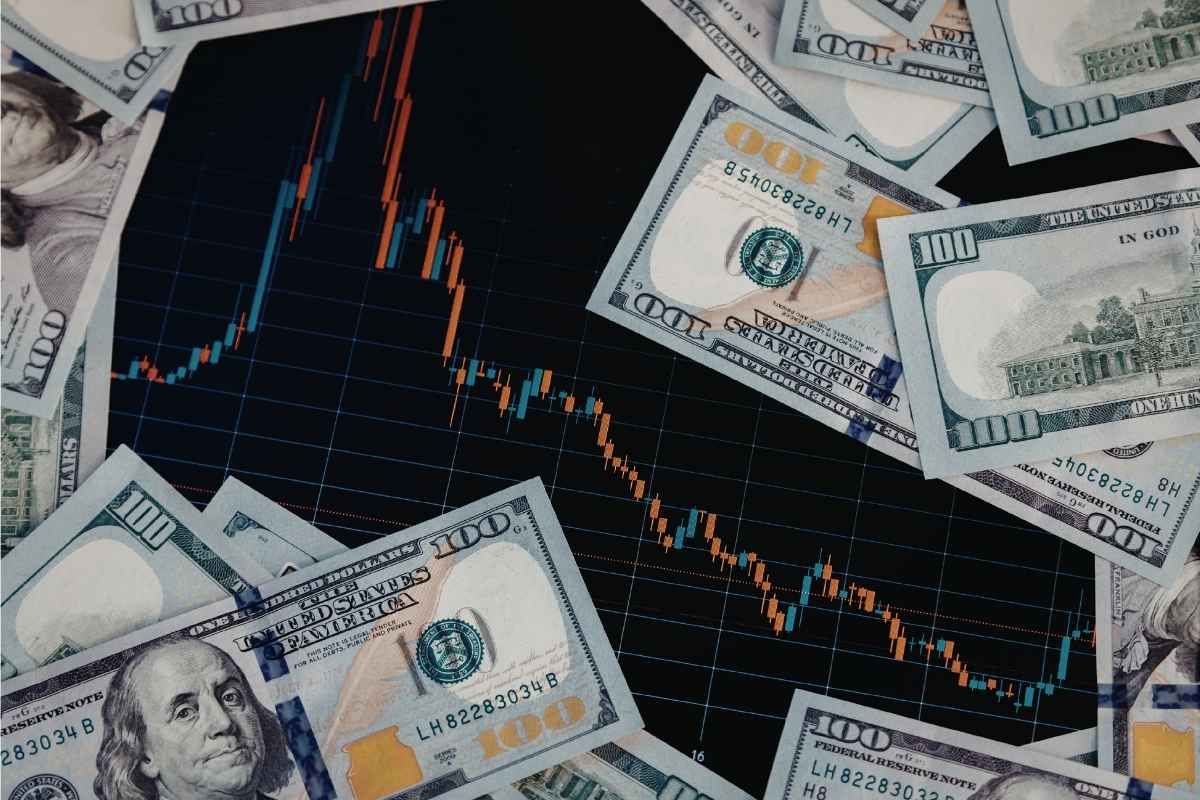
The declining value of money occurs when a currency loses its purchasing power, meaning it can buy fewer goods and services than before. In everyday life, this is often felt when the prices of necessities rise while income remains unchanged. As a result, people need to spend more just to maintain the same standard of living.
This condition is closely related to inflation, which is the general and sustained increase in prices over time. While moderate inflation is a normal part of economic growth, high or prolonged inflation can disrupt economic stability and reduce overall welfare.
Read also: Oligopoly Market: Characteristics, Examples, and How It Works
What Does the Declining Value of Money Mean?
In simple terms, the declining value of money means that money becomes less effective as a medium of exchange. When this happens, higher amounts of money are required to purchase the same goods or services. This situation affects not only consumers but also businesses, investors, and government policy decisions.
In many cases, the decline happens gradually. Its impact becomes more noticeable over time, especially as the cost of essential goods continues to rise.
Causes of the Declining Value of Money
1. Excess Money Supply
When the amount of money circulating in the economy grows faster than the production of goods and services, prices tend to rise. Too much money chasing too few goods leads to inflation and weakens the value of money.
2. Economic and Political Instability
Economic uncertainty, political turmoil, or declining investor confidence can weaken a country’s currency, reducing its value both domestically and internationally.
3. Trade Deficits
If a country imports more than it exports, demand for foreign currency increases. This can put pressure on the domestic currency and accelerate its decline in value.
4. High External Debt
Countries with large foreign debt obligations may experience currency pressure, especially when debt repayments reduce foreign exchange reserves and raise concerns about economic stability.
5. Monetary Policy and Interest Rates
Interest rates set by central banks play a major role in currency value. Lower rates may weaken a currency by reducing investment appeal, while higher rates can help support it.
Impact on Everyday Life
The most immediate impact of declining money value is reduced purchasing power. Household expenses increase, and the same income can no longer cover previous needs. Over time, this forces changes in spending habits, with households prioritizing essentials and cutting back on discretionary expenses.
For businesses, rising costs—especially for imported raw materials—can squeeze profit margins if prices cannot be adjusted accordingly.
Impact on the National Economy
At a broader level, high inflation often leads central banks to raise interest rates to stabilize prices. While this helps control inflation, it can also increase borrowing costs for consumers and businesses.
A weaker currency also makes imported goods more expensive, which can further fuel inflation and create additional economic pressure.
Read also: Best Investment Options for 2026 Worth Considering
How to Respond to the Declining Value of Money
Managing the declining value of money requires practical financial planning. One key step is maintaining a disciplined budget by prioritizing essential expenses and reducing unnecessary spending.
Asset diversification is another commonly used strategy. Spreading assets across different instruments can help reduce risk and maintain balance when certain assets lose value.
In addition to traditional assets such as savings, deposits, and gold, some individuals consider digital assets, like cryptocurrencies, as part of their diversification strategy. Cryptocurrencies have unique characteristics, including high volatility, so they should be approached carefully and aligned with individual risk tolerance and financial goals. When used wisely, they can serve as a complement rather than a replacement for other assets.
Improving financial literacy is equally important. Understanding inflation, economic trends, and monetary policy enables better financial decisions in saving, investing, and managing debt.
Conclusion
The declining value of money is an unavoidable reality in modern economies. Inflation-driven loss of purchasing power affects households, businesses, and national economic stability. By understanding its causes and impacts, individuals can take proactive steps through smart financial management and informed strategies.
Manage your finances and investment opportunities more easily. Download the Mobee app today and take a smarter approach to navigating the declining value of money.
Disclaimer
This content is intended for informational purposes only. Always conduct your own research before making any investment decisions. All cryptocurrency trading and investment activities are entirely the responsibility of the reader.
 Direct market access from the app
 Start exploring digital assets with Mobee
Track the market, learn about digital assets, and start trading more conveniently with the Mobee App.
Mobee is licensed and supervised by the OJK. Not a solicitation to buy or sell any asset.