Faucet Crypto: Cara Dapat Crypto Gratis Tanpa Modal di 2026
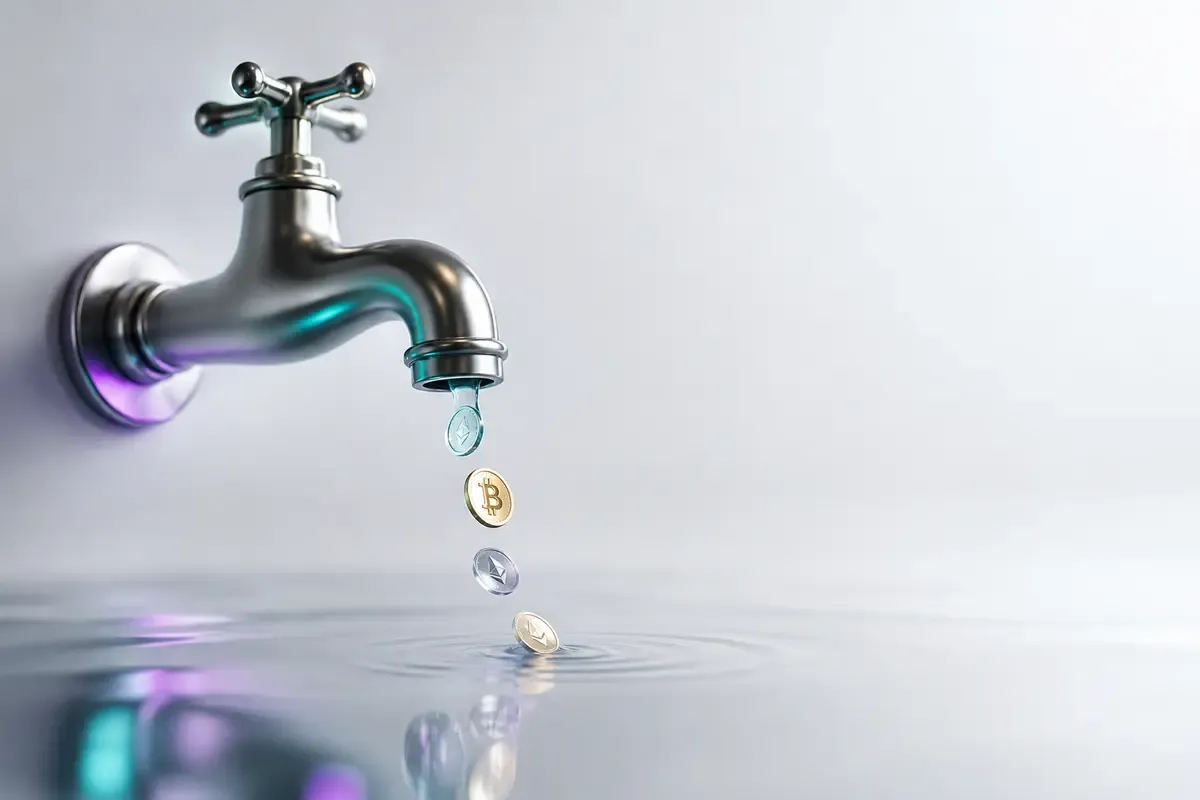
Faucet crypto adalah situs web atau aplikasi yang membagikan sejumlah kecil cryptocurrency secara gratis kepada pengguna sebagai cara untuk memperkenalkan ekosistem kripto kepada pemula. Nama "faucet" diambil dari analogi keran air yang meneteskan air sedikit demi sedikit — dan memang begitulah cara kerjanya. Meski jumlahnya kecil, faucet tetap relevan sebagai alat pembelajaran, pengujian jaringan, dan pintu masuk pertama ke dunia aset digital. Jika Anda ingin memulai perjalanan kripto tanpa modal, faucet bisa menjadi langkah awal yang tepat. Untuk pengalaman yang lebih serius, Anda dapat menggunakan platform teregulasi seperti Mobee yang aman dan terpercaya.
Key Points
- Faucet crypto memberikan sejumlah kecil kripto secara gratis sebagai imbalan atas tugas-tugas sederhana seperti mengisi captcha, menonton iklan, atau bermain game.
- Faucet pertama kali diperkenalkan pada 2010 oleh Gavin Andresen yang mendistribusikan 5 Bitcoin per pengguna untuk mempromosikan Bitcoin.
- Ada berbagai jenis faucet, mulai dari faucet tradisional, berbasis game, multi-coin, hingga faucet testnet untuk kebutuhan developer.
- Hadiah yang diperoleh dari faucet sangat kecil dan lebih tepat dipandang sebagai alat belajar, bukan sumber penghasilan.
- Faucet yang aman tidak akan pernah meminta private key atau seed phrase — hanya alamat wallet publik.
- Faucet berbeda dari airdrop: airdrop umumnya memberikan imbalan lebih besar dengan syarat partisipasi yang lebih spesifik.
Apa Itu Faucet Crypto?
Faucet crypto adalah situs web atau aplikasi yang memberikan sejumlah kecil mata uang crypto secara gratis kepada pengguna. Istilah "faucet" diambil dari analogi keran air yang meneteskan air sedikit demi sedikit. Tujuan utama dari faucet crypto adalah untuk memperkenalkan orang baru kepada dunia cryptocurrency dan memberikan pengalaman praktis dalam bertransaksi dengan crypto tanpa risiko finansial.
Pengguna biasanya harus menyelesaikan tugas-tugas sederhana untuk mendapatkan crypto gratis, seperti:
- Mengisi captcha.
- Menonton iklan atau video produk.
- Menyelesaikan kuis.
- Mengklik tautan.
- Bermain game sederhana.
Sebagai imbalan, pengguna akan menerima sedikit crypto seperti Bitcoin dalam satuan satoshi, Ethereum dalam satuan wei, atau token lainnya. Meskipun jumlahnya kecil, faucet tetap populer di kalangan pemula yang ingin mencoba transaksi crypto tanpa harus mengeluarkan uang. Untuk mempelajari lebih lanjut tentang berbagai jenis kripto, baca artikel Jenis Kripto.
Faucet pertama kali diperkenalkan pada 2010 oleh Gavin Andresen, yang mendistribusikan 5 Bitcoin per pengguna untuk mempromosikan Bitcoin. Namun, dengan meningkatnya nilai Bitcoin, faucet menjadi lebih sulit dan proyek tersebut berhenti pada 2012.
Secara umum, faucet crypto memiliki batasan klaim harian dan ambang pembayaran minimum, yang berarti pengguna hanya bisa menarik hadiah setelah mencapai jumlah tertentu. Walaupun nilai crypto dari faucet sangat rendah, platform ini tetap digunakan sebagai alat pembelajaran dan promosi dalam industri crypto.
Faucet crypto berbeda dengan airdrop, di mana airdrop biasanya memberikan imbalan yang lebih besar dan memerlukan pengguna untuk menyelesaikan tugas tertentu atau memenuhi syarat tertentu untuk menerima crypto gratis. Untuk memahami perbedaan lebih dalam, simak artikel Cara Bermain Crypto Tanpa Modal.
Secara keseluruhan, faucet crypto menawarkan cara mudah bagi pemula untuk memahami dan berinteraksi dengan aset crypto tanpa harus menanggung risiko finansial.
Cara Kerja Faucet Crypto
Faucet crypto bekerja dengan prinsip yang sederhana dan melibatkan beberapa langkah serta partisipasi dalam berbagai aktivitas:
1. Registrasi dan Pendaftaran: Pengguna harus mendaftar di situs faucet crypto dengan mengisi detail pribadi dan alamat dompet kripto mereka. Setelah mendaftar, biasanya micro wallet (dompet kecil) akan dibuat secara otomatis untuk pengguna.
2. Menyelesaikan Tugas: Pengguna diharuskan menyelesaikan tugas-tugas sederhana seperti mengisi captcha, menonton iklan, mengklik banner, mengisi survei, mengunduh aplikasi, atau menguji perangkat lunak. Setelah tugas diselesaikan, pengguna akan mendapatkan hadiah berupa cryptocurrency dalam jumlah kecil.
3. Pengumpulan Hadiah di Micro Wallet: Hadiah yang diperoleh dari menyelesaikan tugas akan dikumpulkan di micro wallet pengguna. Micro wallet ini mampu mengumpulkan sejumlah kecil aset kripto sebelum akhirnya ditransfer ke dompet utama pengguna.
4. Pendapatan dari Iklan: Faucet crypto memperoleh pendapatan dari iklan yang ditampilkan di situs mereka. Iklan ini bisa berupa video, banner, atau bentuk iklan lainnya. Penghasilan dari iklan ini digunakan untuk membayar hadiah kripto kepada pengguna.
5. Pengiriman Hadiah ke Dompet Utama: Setelah micro wallet pengguna mencapai jumlah tertentu, hadiah kripto tersebut akan secara otomatis dikirimkan ke dompet utama pengguna.
6. Program Loyalitas: Beberapa faucet juga menawarkan program loyalitas di mana pengguna bisa mendapatkan hadiah tambahan atau cashback jika berbelanja online menggunakan vendor yang mendukung program tersebut.
7. Faucet Testnet: Ada juga jenis faucet seperti Goerli faucet yang memberikan hadiah dalam bentuk wei Ethereum untuk melakukan uji coba transaksi di jaringan testnet Ethereum. Pengguna harus mengendapkan sejumlah ETH di wallet pribadinya sebelum dapat menerima hadiah kripto gratis dari faucet ini.
Secara keseluruhan, faucet crypto memanfaatkan pendapatan dari iklan untuk memberikan kripto gratis kepada pengguna yang menyelesaikan tugas-tugas sederhana, memungkinkan pengguna untuk mengumpulkan sejumlah kecil kripto dari waktu ke waktu.
Jenis-Jenis Faucet Crypto
1. Faucet Tradisional
Model paling dasar: selesaikan captcha atau klik iklan, dapatkan sejumlah kecil kripto. Cocok untuk pemula yang baru memulai.
2. Faucet Berbasis Game
Pengguna bermain game sederhana atau memutar roda keberuntungan untuk mendapatkan reward. Lebih interaktif dan engaging.
3. Faucet Multi-Coin
Mendukung berbagai jenis aset kripto — BTC, ETH, LTC, DOGE — dalam satu platform, memungkinkan diversifikasi mikro.
4. Faucet Berbasis Survei
Reward diberikan setelah menyelesaikan survei atau mencoba aplikasi tertentu. Biasanya memberikan imbalan lebih besar dari faucet tradisional.
5. Auto-Claim Faucet
Pengguna mengumpulkan "energi" melalui berbagai aktivitas, lalu menggunakannya untuk klaim otomatis secara pasif.
Contoh Faucet Crypto
1. Freebitcoin: Salah satu faucet Bitcoin tertua dan terpopuler. Pengguna bisa mendapatkan satoshi (pecahan terkecil Bitcoin) dengan menyelesaikan captcha setiap jam.
2. Faucet Crypto: Faucet multi-koin yang menawarkan berbagai cryptocurrency termasuk Bitcoin Cash. Pengguna bisa mengklaim reward setiap 40 menit.
3. QuickNode: Menyediakan Multi-Chain Faucet yang sangat penting bagi pengembang untuk pengujian aplikasi dan penerapan kontrak pintar, dengan alokasi harian 0,001 ETH. Mendukung berbagai dompet seperti Coinbase Wallet, MetaMask, dan Phantom.
4. Triangle Faucet: Menyediakan layanan faucet multi-rantai yang aman dan kredibel untuk pengembangan Web3, termasuk akses mudah ke token testnet di berbagai jaringan seperti Bitcoin, Ethereum, Solana, dan banyak lagi.
5. Coinbase Faucet: Menawarkan dana testnet yang efisien kepada para pengembang untuk proyek-proyek blockchain, memungkinkan pengujian kontrak pintar tanpa biaya di jaringan seperti Base Goerli dan Polygon Mumbai.
Berapa yang Bisa Diperoleh dari Faucet?
Jawaban jujurnya: sangat kecil. Faucet crypto di 2026 umumnya memberikan imbalan dalam satuan satoshi (untuk BTC) atau gwei (untuk ETH). Nilai yang terkumpul dalam sehari bisa hanya senilai beberapa ratus rupiah.
Faucet lebih tepat dipandang sebagai alat belajar dan pengenalan ekosistem, bukan sumber penghasilan yang signifikan. Jika tujuan Anda adalah membangun portofolio kripto yang bermakna, investasi melalui platform teregulasi adalah jalur yang jauh lebih efisien. Pelajari strategi Tips Trading Crypto untuk pemula.
Apakah Faucet Crypto Aman?
Pada dasarnya, faucet kripto yang tepercaya itu aman karena Anda hanya perlu memberikan alamat wallet publik, bukan private key. Meski begitu, tetaplah waspada terhadap beberapa risiko berikut:
- Iklan dan Link Berbahaya: Hindari redirect yang berpotensi menyebarkan malware atau phishing.
- Privasi Keamanan: Faucet resmi tidak akan pernah meminta seed phrase atau private key Anda.
- Kredibilitas Platform: Gunakan layanan yang memiliki reputasi jelas dan terverifikasi.
- Syarat Penarikan: Waspadai platform yang menetapkan batas minimum pencairan dana yang terlalu tinggi atau tidak masuk akal.
Untuk keamanan lebih, simak artikel Bitcoin Asli agar tidak tertipu.
Hal yang Perlu Diperhatikan saat Faucet Crypto
Saat menggunakan faucet crypto, penting untuk berhati-hati karena ada risiko keamanan dan keandalan yang perlu diwaspadai. Beberapa situs faucet dapat menjadi sarana bagi pihak yang tidak bertanggung jawab untuk menyebarkan malware atau virus melalui tautan yang mereka minta pengguna untuk klik.
Pengguna harus selalu waspada terhadap tautan yang mencurigakan dan memastikan mereka tidak mengunduh perangkat lunak berbahaya yang dapat merusak sistem mereka.
Selain itu, tidak semua situs faucet crypto dapat dipercaya. Banyak situs faucet palsu yang mungkin menawarkan imbalan yang tidak sepadan dengan usaha yang dilakukan. Beberapa situs memberikan hadiah yang sangat kecil dibandingkan dengan beban kerja yang harus diselesaikan.
Situs faucet yang terpercaya biasanya memiliki reputasi baik dan telah beroperasi dalam jangka waktu lama. Pengguna harus memilih faucet yang telah terbukti aman dan memiliki ulasan positif dari komunitas.
Terakhir, meskipun faucet crypto bisa menjadi cara untuk mendapatkan koin kripto secara gratis, hadiah yang diperoleh sering kali sangat kecil. Pengguna mungkin menemukan bahwa partisipasi aktif selama seminggu hanya menghasilkan hadiah yang kurang dari $1.
Oleh karena itu, penting untuk memilih faucet dengan reputasi baik dan yang menawarkan imbalan yang cukup untuk waktu dan usaha yang dikeluarkan.
Perbandingan Faucet Crypto vs Airdrop
| Aspek | Faucet Crypto | Airdrop |
|---|---|---|
| Jumlah Hadiah | Sangat kecil (satoshi/gwei) | Bisa besar (token bernilai) |
| Syarat | Tugas sederhana (captcha, iklan) | Partisipasi spesifik (hold token, tugas) |
| Tujuan | Edukasi & promosi | Distribusi token & marketing |
| Frekuensi | Harian/berkala | Sekali waktu |
Kesimpulan
Faucet kripto adalah alat yang berguna bagi pemula untuk mengenal dunia cryptocurrency tanpa risiko besar. Namun, penting untuk memilih faucet yang terpercaya dan selalu waspada terhadap potensi penipuan.
Meskipun hadiahnya kecil, pengalaman yang didapat dapat menjadi langkah awal yang baik menuju investasi yang lebih serius. Jadi, jangan ragu untuk mencoba berbagai faucet kripto, tetapi tetaplah berhati-hati dan bijak.
Jangan lewatkan kesempatan untuk memulai perjalanan kriptomu bersama Mobee yang sudah teregulasi dan diawasi oleh OJK! Download aplikasinya sekarang di App Store atau Google Play!
Sumber:
What are crypto faucets and how do they work? Diakses pada 2026. Cointelegraph.
What Is a Crypto Faucet? Diakses pada 2026. CoinMarketCap.
What is a Crypto Faucet? Diakses pada 2026. CoinBase.
Disclaimer:
Konten ini bertujuan untuk memberikan informasi tambahan kepada pembaca. Selalu lakukan penelitian sendiri sebelum melakukan investasi. Semua kegiatan jual beli dan investasi aset kripto sepenuhnya menjadi tanggung jawab pembaca.
 Direct market access from the app
 Start exploring digital assets with Mobee
Track the market, learn about digital assets, and start trading more conveniently with the Mobee App.
Mobee is licensed and supervised by the OJK. Not a solicitation to buy or sell any asset.