Characteristics of Genuine Silver & How to Check It (2026)
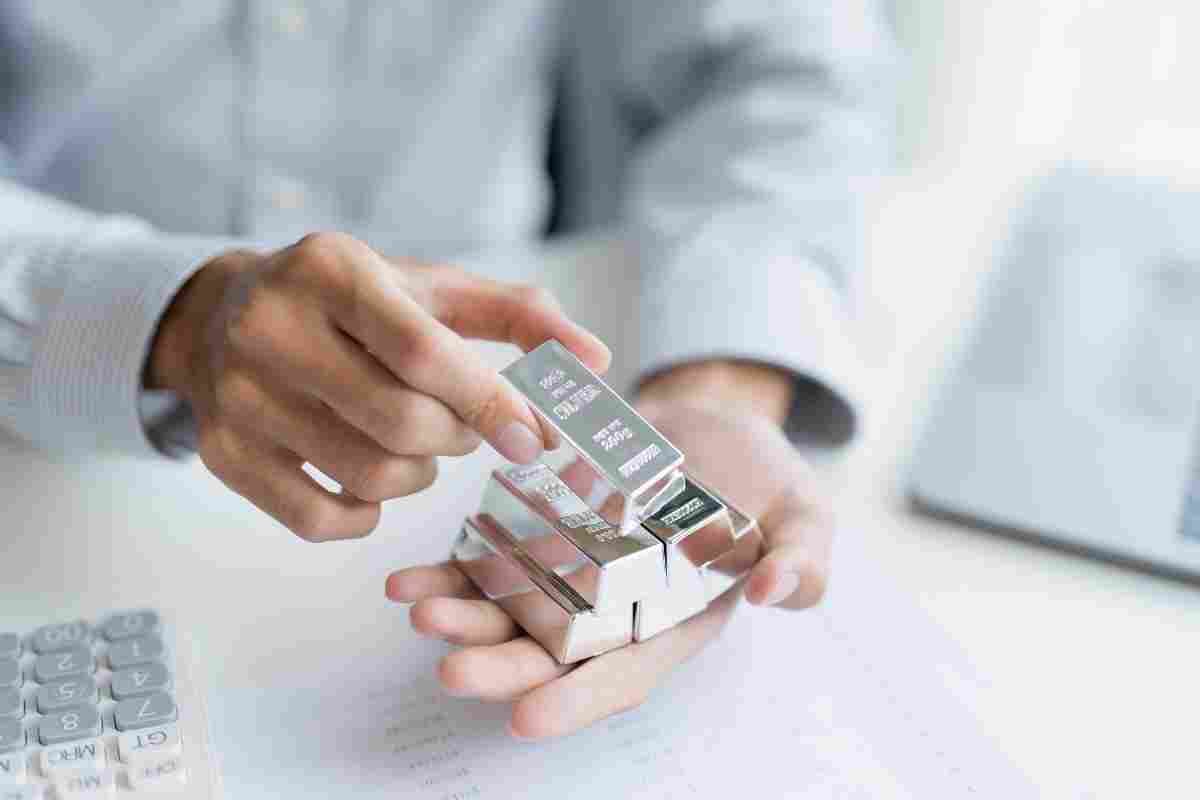
Not everything that shines is real silver. Many items that look like silver are only thinly plated or mixed with low-grade metals. If you plan to buy silver jewelry, coins, or bars, you need to know how to check them before you pay.
This article covers the characteristics of genuine silver, how to check silver at home without special tools, and when to take it to an expert. At the end there is a short explanation of digital silver as a comparison, so you do not mix the two up.
Key Points
- 999 silver (fine silver) is 99.9% pure silver. 925 silver (sterling silver) is 92.5% silver, with the rest made up of other metals.
- A purity mark such as 925, 999, or Sterling is a first clue, but marks can be faked.
- Silver is not magnetic, so an item that sticks firmly to a magnet is almost certainly not real silver. But brass and aluminum are not magnetic either, so "not attracted" does not prove it is genuine.
- Real silver gives a clear, long ring when tapped lightly, while alloy metals sound dull and short.
- Silver can tarnish because it reacts with sulfur in the air. That is normal, but it does not prove authenticity, because plated silver and other metals can tarnish too.
- No single home test is conclusive. Combine several tests, and for valuable items, ask an expert for a nitric acid test.
How to Check Genuine Silver in 6 Steps
- Look for a purity mark in a hidden spot: 925, 999, or Sterling.
- Hold a strong magnet close. Real silver is not attracted.
- Tap it lightly and listen. Real silver rings clearly and for a long time.
- Place an ice cube on it. Silver melts the ice faster.
- Compare its weight with a similar item. Silver feels heavier.
- Still unsure? Take it to a jeweler for a professional test.
One test is not enough. Run several, starting with the ones that do not damage the item.
What Is Genuine Silver?
Genuine silver is silver metal of a specific purity recognized internationally. Pure silver is very soft, so it is rarely used as is. It is usually mixed with other metals to make it stronger and better suited to everyday wear.
Two grades are the most common:
- 999 silver (fine silver): 99.9% pure silver. Commonly used for investment coins and bars.
- 925 silver (sterling silver): 92.5% silver, with the rest other metals such as copper. Commonly used for jewelry because it is harder and resists dents.
Understanding these grades helps you judge the value, strength, and use of the silver in your hands.
Characteristics of Genuine Silver to Know
Hallmarks (925 and 999 Purity Marks)
Genuine silver jewelry and items usually carry a mark such as "925", "999", or "Sterling". The mark is normally in an inconspicuous place, such as the inside of a ring, the clasp of a necklace, or the back of a pendant. A neat, clear mark is a good sign, but not a guarantee.
Marks can be copied, so treat a mark as a first clue, not proof. The same logic applies to gold, and you can read about it in Fake Gold Codes: How to Identify and Avoid Them.
Natural Color and Shine
Genuine silver is silvery white with a soft shine, not too flashy like a mirror. A surface that is too shiny or looks yellowish may point to another metal or a thin coating. But new plated items can look identical, so color alone is not enough.
Magnet Test
Silver is not a magnetic metal, so an ordinary magnet does not attract it. If an item sticks firmly, it is most likely iron or steel, not silver.
But "not attracted" proves nothing on its own. Brass, aluminum, and nickel silver (an alloy of copper, nickel, and zinc that contains no silver) are not magnetic either. So the magnet test only rules out the crudest fakes.
For flat coins or bars, you can try a slide test. Tilt the item to about 45 degrees and let a neodymium magnet (a very strong magnet) slide down it. On real silver the magnet slides slowly, because currents induced in the metal resist its motion. A magnet that slides down fast or sticks is a red flag. Keep in mind that copper also slows a magnet, so this test cannot stand alone.
Sound Test
Tap the silver lightly with another metal object and listen. Real silver gives a clear ring that lasts, about a second or more on a coin. Alloy metals usually sound dull and short.
This test works best on coins. On small jewelry, the shape and weight make the ring short and hard to read. If you have a silver coin you know is genuine, compare its sound with the item you are testing. Coins in plastic capsules muffle the sound, so do not test them this way.
Silver and Tarnish
Silver reacts with sulfur in the air, so over time it darkens from yellowish to grey or black. This darkening is normal and can be cleaned off.
But tarnish is not proof of authenticity. Plated silver and other metals such as copper can darken too. On the other hand, real silver with a protective coating, such as rhodium on jewelry, can stay bright for a long time. Treat tarnish as a supporting clue, then combine it with the mark, magnet, sound, and weight.
Simple Ways to Check Genuine Silver at Home
Besides recognizing visual and physical traits, there are a few simple checks you can do at home without special tools. The table below summarizes the difference between real silver and fake or plated silver.
Real Silver vs Fake or Plated Silver
| Check | Real silver | Fake or plated | Limits |
|---|---|---|---|
| Purity mark (hallmark) | Has a 925, 999, or Sterling mark, stamped neatly and clearly | No mark, or a blurry, uneven mark | Marks can be faked. A first clue only |
| Magnet | Not attracted. On the slide test, a neodymium magnet slides slowly | Sticks if made of iron or steel. A sliding magnet comes down fast | Brass, aluminum, and nickel silver are not attracted either |
| Sound | Clear, long ring | Dull and short | Best for coins, less useful for small jewelry |
| Weight | Feels dense and heavy for its size | Feels lighter | Needs an accurate scale for comparison |
| Color | Silvery white with a soft shine, may tarnish over time | Too mirror-bright, or looks yellowish or reddish where it is worn | New plated silver can look identical |
| Ice cube | Ice melts clearly faster than on a reference metal | Ice melts more slowly, for example on steel | Copper and aluminum also conduct heat well |
Start with the tests that do not damage the item: mark, magnet, sound, ice cube, and weight. Use the vinegar or salt water test only after that, and leave valuable items to a professional test.
Vinegar and Salt Water Tests: A Rough Filter
These two tests are cheap, but weak. Treat them as a rough filter, not a verdict.
Vinegar test
- Pick a hidden spot, such as the inside of a ring or the back of a pendant. Vinegar can leave a stain.
- Clean it with a soft, dry cloth.
- Put one or two drops of white vinegar on it.
- Wait a few minutes, then wipe it off and rinse with water.
What you should see: on real silver, the surface does not change. If the silver layer is thin and the base metal is exposed, that spot may change color.
The limits: thick silver plating, nickel silver, and stainless steel do not react, so they pass this test. The reaction is subtle and easy to misread. Do not use it on antiques or items set with stones.
Salt water test
Dissolve a little salt in warm water, then drip or dip a small part of the item for a few minutes, rinse, and dry. Real silver barely reacts, so this test hardly separates real silver from many other metals. That makes it weaker than the vinegar test. If you only use one, pick vinegar.
Keep in mind: salt water is also used to clean tarnished silver (together with baking soda and aluminum foil). That is a cleaning method, not a way to test authenticity.
Ice Cube Test
Silver conducts heat better than almost any other metal, so an ice cube melts faster on it.
- Place the item on a flat surface at room temperature.
- Set up a reference, such as a stainless steel spoon, in the same spot.
- Put ice cubes of the same size on the item and on the reference.
- Compare how fast they melt.
What you should see: ice on real silver melts clearly faster than on steel. The limits: copper and aluminum also conduct heat well, so a silver-plated item with a copper core can pass. Room temperature and the size of the item also affect the result. Use it as a quick filter only.
Checking Weight and Density
Silver is dense. Its density is about 10.3 to 10.5 grams per cubic centimeter, higher than aluminum and brass. An item that feels too light is suspect as fake or plated silver.
The simplest way: weigh the item on a scale accurate to 0.01 gram, then compare it with the stated weight or with a similar item you know is genuine.
For a firmer answer, calculate the density. Weigh the item in air, then weigh it again while it hangs in water without touching the bottom or sides of the container. Density = weight in air divided by the difference between the weight in air and the weight in water. Watch out for air bubbles and a scale that is not precise. 999 and 925 silver have similar densities, so this method is better at ruling out other metals than at telling the purity grade.
Checking Silver Coins
Silver coins have an advantage: their specifications are documented. Match the weight and diameter against the mint's data, using a 0.01 gram scale and calipers. A 1 troy ounce coin weighs about 31.1 grams. After that, do the sound test and the magnet slide test. Do not put acid on collector coins, because it leaves a mark and can lower their value.
Professional Methods to Verify Silver Authenticity
If home tests are not convincing, or the item is valuable, hand it to an expert. The most common method is the nitric acid test: a special acid is dropped on the metal, and the color change shows whether it is real silver or an alloy. Because the acid is corrosive, this test should be done by an expert or a professional jeweler.
Besides the acid test, there is XRF (X-ray fluorescence), an X-ray device that reads a metal's composition without damaging the item. Ask a jeweler or a metal testing lab whether they offer it. The acid test leaves a small mark, so do not use it on collector coins or bars. For valuable items, ask for a written test result.
How to Buy SLVON on Mobee
Every check above applies to physical silver: jewelry, coins, or bars you can hold. Digital silver is a different thing. SLVON is a token that represents economic ownership of the iShares Silver Trust ETF, so its price follows that silver ETF. The token does not give you physical silver, and it is not used to check the authenticity of silver you own. To understand how silver ETFs work, read What Is a Silver ETF? How It Works and Investment Strategies.
If you are curious about silver as an asset, first learn the opportunities and risks in Silver Investment, an Attractive Alternative Amid Gold's Dominance and Getting to Know SLVON Token for Long-Term Silver Investment. The price of SLVON can rise and fall with the price of silver, and you can lose money. SLVON is available in the Mobee app, which is operated by PT CTXG Indonesia Berkarya, licensed and supervised by OJK. If you understand the risks, the steps below show how to buy it in the Mobee app.
- Register and complete account verification (KYC) in the Mobee app.
- Deposit funds into your Mobee wallet.
- Open the Trade menu at the bottom of the app.
- Find SLVON in the asset list or search for it. You can also find it in the commodities category.
- Select the SLVON/USDT trading pair.
- Choose an order type: Market Order (executed at the current price) or Limit Order (executed at the price you set).
- Enter the amount you want to buy, then review the transaction details.
- Tap Confirm to complete the purchase.
After a successful transaction, SLVON is automatically credited to your Mobee wallet. From there you can hold it or trade it again.
Conclusion
Knowing the characteristics of genuine silver helps you judge a product's quality and authenticity before you buy. You can check the mark, magnet, sound, ice cube, and weight at home without damaging the item. But no single home test is conclusive, including tarnish. Combine several tests, and for valuable items, rely on a professional test.
If your goal is not to own a physical item, digital silver such as SLVON is another way to follow the silver price. Its form is different, and so are its risks.
Frequently Asked Questions
What is the difference between 999 and 925 silver?
999 silver (fine silver) is 99.9% pure silver. 925 silver (sterling silver) is 92.5% silver, with the rest other metals such as copper to make it harder. Jewelry usually uses 925 because it resists dents better.
Why does silver turn black, and is that a sign it is real?
Silver reacts with sulfur in the air, so it darkens over time. This is normal and can be cleaned off. But tarnish is not proof of authenticity, because plated silver and other metals such as copper can darken too. Use it together with the purity mark, magnet, sound, and weight checks.
How can I check if silver is real at home?
Start with methods that do not damage the item: check the purity mark (925, 999, or Sterling), hold a strong magnet close, tap it and listen to the ring, try the ice cube test, then compare the weight. Run more than one test, because no single home test is conclusive.
Is the magnet test enough to confirm real silver?
No. The magnet test only rules out items made of iron or steel. Brass, aluminum, and nickel silver are not attracted to magnets either, even though they are not silver. Combine it with the purity mark, sound, and weight checks.
How accurate is the nitric acid test for silver?
Its accuracy is high when you use a kit matched to the purity grade and read the color reaction correctly. Because the acid is corrosive and leaves a mark, it is best done by an expert or a jeweler, and it should not be used on collector coins or bars.
Is there an alternative to buying physical silver?
Yes, but it is a different form. SLVON is a token that represents economic ownership of the iShares Silver Trust ETF, so its price follows the silver ETF. The token does not give you physical silver and is not used to check the authenticity of an item. Its price can rise and fall, and you can lose money. Learn more in the SLVON Token article.
Disclaimer
This article is for education and is not investment advice. Home test results do not replace a professional examination. This content is additional information only, so do your own research before investing. All decisions to buy, sell, and invest in crypto assets are your own responsibility. Trading crypto assets is a high-risk activity.
 Direct market access from the app
 Start exploring digital assets with Mobee
Track the market, learn about digital assets, and start trading more conveniently with the Mobee App.
Mobee is licensed and supervised by the OJK. Not a solicitation to buy or sell any asset.