Trader adalah: Defining the Role and Types of Traders

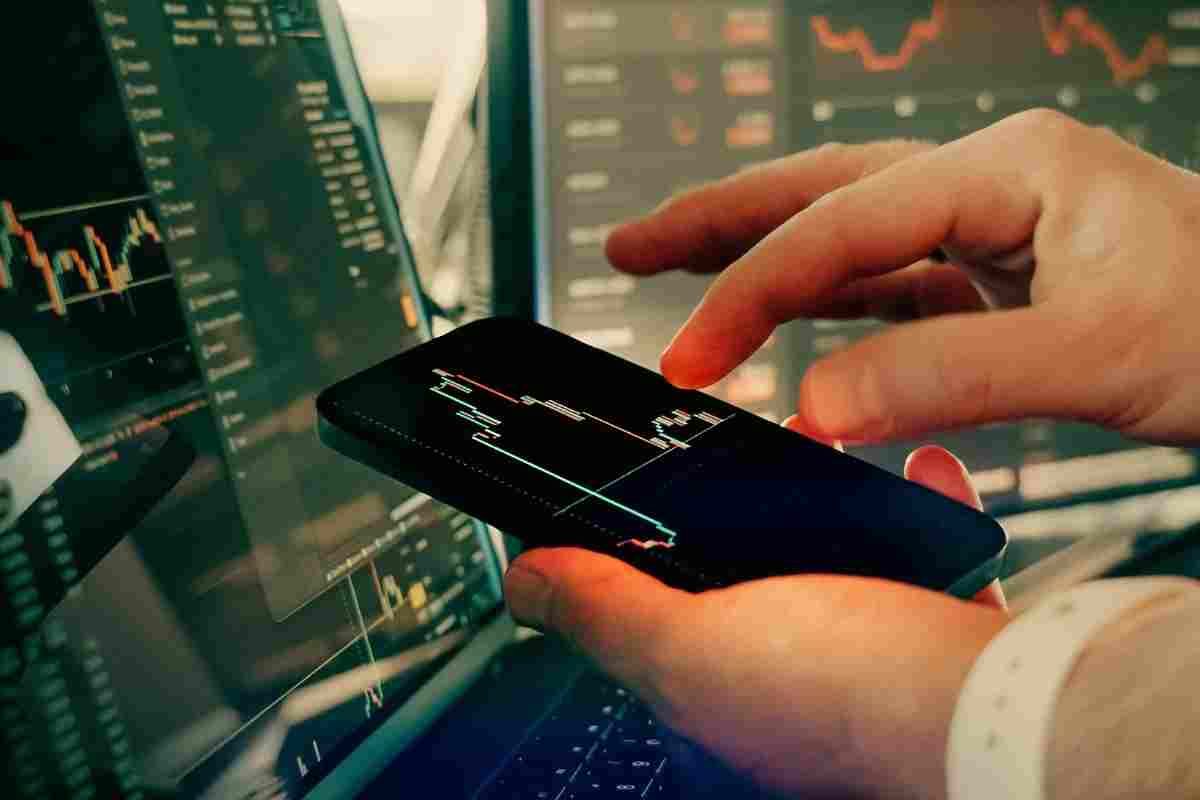
A trader is an individual who buys and sells financial assets such as stocks, forex, crypto, or commodities to profit from short-term to medium-term price movements. Unlike long-term investors, traders actively monitor charts, news, and market liquidity. They may work alone, within a community, or as professionals at banks and hedge funds.
Because trading involves risk, technical analysis and risk management are core foundations. Learn the basics of technical analysis before taking a position. With this definition, a trader is not just a buyer of assets but a disciplined risk manager.
Key Points
-
Core definition: A trader actively opens and closes positions to profit from price fluctuations.
-
Main difference: Traders focus on momentum and timing, while investors pursue long-term value growth.
-
Success key: Traders need entry, exit, position size, and a measurable loss limit plan.
-
Real risk: Leverage and volatility can amplify losses when risk management is weak.
-
First step: Beginners should start with a demo account, liquid assets, and a trading journal.
Types of Traders
Trader types are defined by time horizon and execution style. The shorter the horizon, the greater the need for speed, low costs, and discipline. Glassnode data in April 2026 showed Bitcoin supply held by short-term holders around 20-25%, a figure that helps read market sentiment.
• Scalper: Holds positions for seconds to minutes and needs fast execution and low fees.
• Day trader: Closes all positions within the same day and avoids overnight risk.
• Swing trader: Holds positions for days to weeks and uses technical patterns.
• Position trader: Holds positions for months and is closer to a tactical investor.
• Algorithmic trader: Uses bots and quantitative rules to reduce emotional bias.
Daily Routine of a Trader
A trader's routine includes preparation, execution, and review. Without routine, decisions are easily influenced by emotion and viral news. According to IDX in March 2026, Indonesia's daily stock transaction value was around IDR 12-15 trillion, so blue-chip stocks still have liquidity for active trading.
• Monitor news: Check CPI, Fed, earnings, and regulation that can move markets.
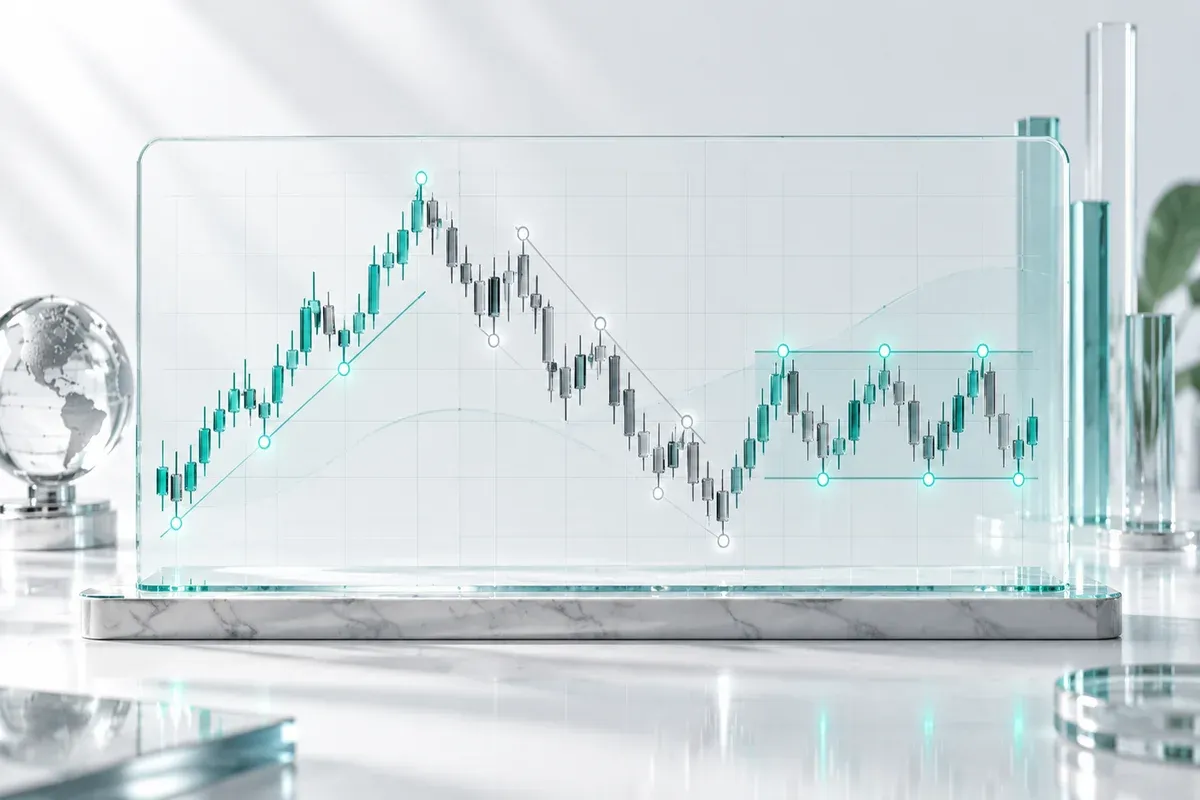
• Read charts: Identify support, resistance, trend, and candlestick patterns.
• Manage risk: Calculate maximum loss per trade, often 1-2% of capital.
• Keep a journal: Record entry, exit, and emotions for evaluation.
• Protect psychology: Avoid revenge trading after a loss.
Learn trading psychology because mental pressure is often more dangerous than technical signals.
Benefits of Being a Trader
The main benefit of being a trader is control over time, method, and position size. However, this freedom comes with full responsibility for results. CoinGecko in April 2026 estimated global crypto market capitalization at around USD 3.1 trillion, with daily spot volume that can exceed USD 80-120 billion on active days.
• Location flexibility: Many traders can work from anywhere with an internet connection.
• Return potential: Volatile markets offer faster profit opportunities, but risk also rises.
• Continuous learning: Trained traders read economics, politics, and market behavior.
• Full control: Traders set their own position size and working hours.
• Scalability: A proven strategy can be scaled with capital and automation.
Main Risks of Being a Trader
Trader risk is not only about falling prices. Leverage, liquidity, platform, and psychology can erase capital faster. According to the CFTC Commitments of Traders report in March 2026, leveraged funds still held net short positions in some US equity index contracts, a reminder that professionals also hedge rather than only guess direction.
• Market risk: Prices can gap or crash on macro news, so limit exposure per asset.
• Leverage risk: 10x leverage means a 10% drop can liquidate an account, so use low leverage.
• Psychological risk: FOMO and revenge trading break plans, so write clear rules.
• Liquidity risk: Small tokens can be hard to sell during panic, so choose high-volume assets.
• Platform risk: Exchanges can be hacked or fail, so store assets in a wallet and choose a licensed platform.
A Simple Beginner Calculation
A concrete example helps traders understand capital, stop loss, and position size. Suppose you have IDR 10 million and limit risk to 1% per trade. If the stop loss is 5% from entry, the maximum position size is IDR 2 million.
1. Calculate rupiah risk: 1% x IDR 10 million = IDR 100 thousand.
2. Set stop loss: 5% from the entry price.
3. Calculate position size: IDR 100 thousand divided by 5% = IDR 2 million.
4. Set target: If profit target is 10%, potential profit is IDR 200 thousand.
5. Review ratio: IDR 100 thousand risk for IDR 200 thousand potential gives a 1:2 ratio.
Use Spot Trade to practice execution without excessive leverage.
Summary Table of Trader Types
| Trader Type | Time Horizon | Main Requirement | Main Risk |
|---|---|---|---|
| Scalper | Seconds to minutes | Fast execution and low fees | Fees and slippage |
| Day trader | One day | Time discipline and daily news monitoring | Intraday volatility |
| Swing trader | Days to weeks | Technical analysis and patience | Weekend gaps |
| Position trader | Months | Macroeconomic and fundamental analysis | Major trend changes |
| Algorithmic | Automated | Code, data, and monitoring | Bugs and overfitting |
Checklist Before You Start Trading
A checklist helps beginner traders avoid impulsive decisions. Start with cold money, a legal platform, and realistic targets. Also compare the nature of stocks vs crypto because market hours, volatility, and regulation differ.
• Cold money: Use funds that are not needed for daily essentials.
• Legal platform: Ensure the exchange or broker is registered and supervised by OJK.
• Trading plan: Write entry, exit, stop loss, and profit target.
• Journal: Record every trade and review weekly.
• Loss limit: Set a daily or monthly stop-trading rule.
• Education: Learn day trading before increasing trade frequency.
Conclusion
A trader is a risk manager who uses price movements to seek profit. The main difference from an investor is time horizon, trade frequency, and how opportunity is read. Without discipline, a trader can become a direction guesser relying on luck.
• Start with education: Understand markets, orders, and fees before using large capital.
• Limit risk: Use 1-2% of capital per trade and always set a stop loss.
• Choose liquid assets: Liquidity makes it easier to enter and exit positions.
• Record everything: A trading journal mirrors decision quality.
• Review regularly: Improve strategy with data, not emotion.
FAQ
What is the difference between a trader and an investor?
Traders actively open and close positions over periods ranging from minutes to months, while investors typically hold assets for years. Traders focus on timing and momentum, while investors focus on long-term value growth and dividends. As a result, traders generally need to spend more time monitoring the market.
Do traders need a large amount of capital?
Not necessarily. Many platforms allow users to start with around Rp10,000 to Rp100,000, although smaller capital limits diversification and the ability to withstand drawdowns. What matters more is risk discipline, such as limiting risk to 1-2% of total capital per trade. Always verify the latest requirements and fees on your chosen platform.
How much risk per trade is considered reasonable?
Many professional traders limit risk to around 1-2% of total capital per trade. If you have Rp10 million in capital, a 1% risk limit equals Rp100,000. This approach can help you survive a series of 10-20 losing trades without losing most of your capital. Adjust the limit according to your own risk tolerance and strategy.
Is crypto trading legal in Indonesia?
Crypto assets in Indonesia have a clear regulatory framework, with supervision transferred to OJK in early 2025 and related policies reaffirmed in February 2026. Crypto trading is legal when conducted through platforms that are registered with and supervised by OJK. Always check the platform's regulatory status and the latest tax rules before making large transactions.
How should a beginner start trading?
Start with a demo account for 1-3 months, focus on one market, and limit risk to a maximum of 1% per trade. Once you can trade consistently, move to a small amount of real capital and record every trade in a journal. Avoid high leverage until you have a track record of at least 100 trades.
Start with Mobee
Mobee is a digital asset platform licensed and supervised by OJK, helping users explore crypto and investment products with clearer access and practical learning. Start your investment journey through Mobee and choose products that match your goals and risk profile.
 Direct market access from the app
 Start exploring digital assets with Mobee
Track the market, learn about digital assets, and start trading more conveniently with the Mobee App.
Mobee is licensed and supervised by the OJK. Not a solicitation to buy or sell any asset.