Is Cryptocurrency Halal? A Sharia Perspective

Cryptocurrency investment is increasingly popular, including among Muslims. However, an important question arises: “Is crypto halal according to Islam?” To answer this, we need to consider the perspectives of scholars, religious fatwas, and analysis of various types of crypto assets. Here is the comprehensive discussion!
Perspectives of Scholars and Islamic Institutions on Crypto Assets
Scholars and Islamic institutions indicate that crypto assets are not automatically haram; their permissibility depends on the purpose and method of use. The Indonesian Ulema Council (MUI) states that crypto used as a means of exchange is haram due to elements of gharar (uncertainty). However, this does not exclude the possibility of crypto being halal in other contexts.
In the same fatwa, MUI opens the possibility for crypto assets to be halal if treated as commodities or digital assets that meet Sharia principles. This means that as long as crypto has clear value, tangible benefits, and is traded fairly and transparently, its use as an investment instrument is permissible. This provides a strong foundation for Muslim investors to participate in the digital asset ecosystem.
Furthermore, practices such as spot trading are considered the most aligned with Islamic principles. Spot trading is conducted directly without riba, excessive speculation, or transaction delays. Due to its transparency and the immediate delivery of assets after payment, many scholars view this method as a halal and valid way to trade crypto according to Sharia. Thus, crypto assets can not only be modern investment instruments but also be managed under Islamic values.
Spot Trading and Its Halal Status
Spot trading, or direct trading of crypto assets, is deemed halal by many scholars because it adheres to the Islamic principles of buying and selling. This type of transaction involves no riba, gharar (ambiguity), or maisir (excessive speculation), which are concerns in Islamic economic law.
In practice, spot trading is straightforward and transparent. The buyer pays for the crypto asset and immediately receives full ownership without loan or leverage mechanisms involving interest. This makes the transaction more just and compliant with Sharia rules.
Moreover, spot trading guarantees clarity in terms of the object being traded, exchange value, and delivery time. These three aspects are essential conditions for a valid contract of sale in Islam, making spot trading one of the Sharia-compliant ways to invest in crypto.
Examples of Crypto Assets Considered Halal
Here are some examples of crypto assets considered halal according to various sources:
1. Bitcoin (BTC)
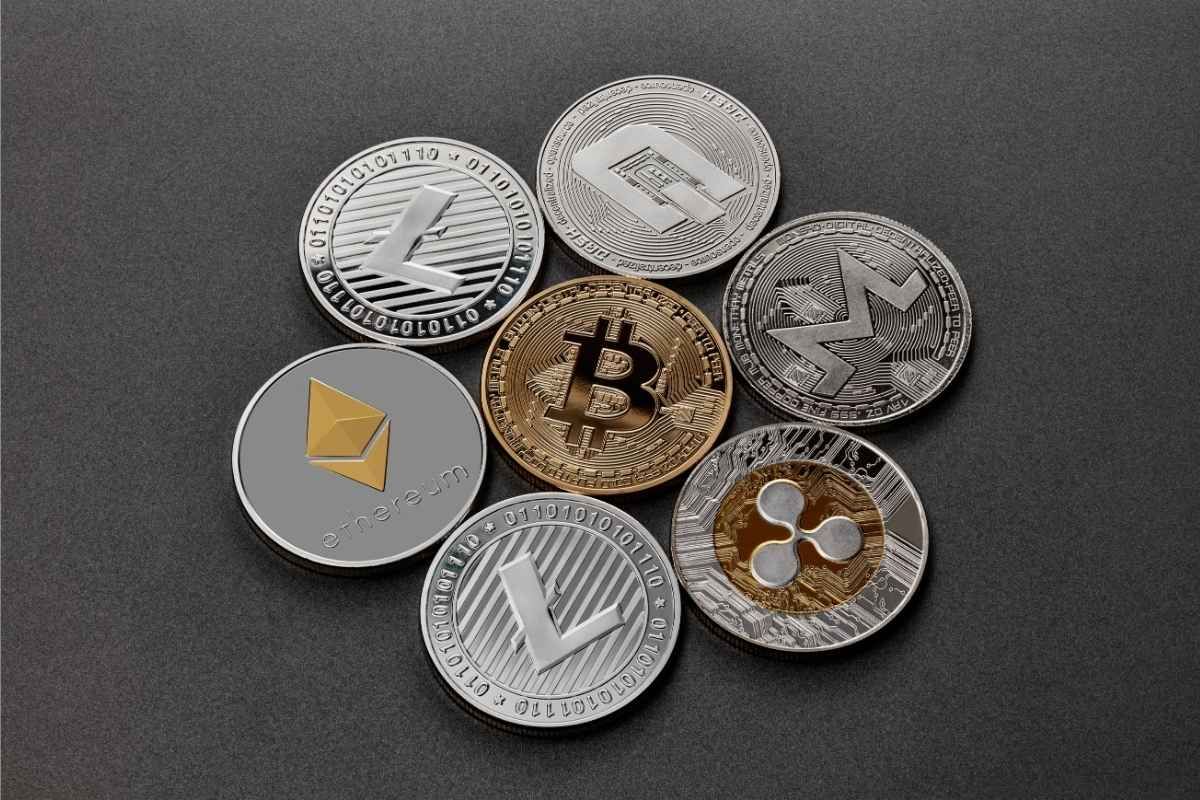
According to MUI, Bitcoin can be categorized as haram if used as currency. However, if treated as a digital asset for investment and used in fair and transparent transactions, its use may be permitted. Some scholars equate it to digital gold, thus potentially halal if meeting certain conditions.
2. XAUT (Tether Gold)
XAUT is a crypto token backed by physical gold. Each token represents ownership of 1 troy ounce of gold. In Islam, gold is a halal asset. As long as XAUT can be exchanged for real gold and is not used for speculation, the token is considered halal as a gold-based investment.
3. Islamic Coin (ISLM)
Islamic Coin is a crypto developed specifically to comply with Islamic Sharia principles. This asset is overseen by a Sharia board, and part of its profits is allocated to social funds for the Muslim community. Islamic Coin focuses on halal finance, avoids prohibited activities, and maintains transparency. Therefore, many view it as an ideal example of halal crypto.
Conclusion
Crypto is not a single entity that can be universally classified as halal or haram. According to MUI and other scholars, the permissibility of crypto depends on the type of asset, purpose, and manner of transaction. Spot trading is considered halal because it follows Islamic sale and purchase principles. Some assets like Bitcoin, XAUT, and Islamic Coin can also be regarded as halal if they meet Sharia conditions such as real benefits, transparency, and absence of prohibited elements.
For Muslim investors, it is important to understand the characteristics of crypto assets before investing and ensure all transactions are conducted in a Sharia-compliant manner. With proper knowledge, crypto investment can be a safe and responsible part of a halal portfolio.
Start investing in crypto easily and securely with Mobee! Download the Mobee app now and enjoy complete features for spot trading and digital investment.
Sources:
Apakah Bitcoin Haram? Perhatikan 3 Ketentuan Hukum MUI. Accessed in 2025. Majelis Ulama Indonesia.
Hukum Bitcoin dalam Islam, Halal atau Haram. Accessed in 2025. Kumparan.
Islamic Coin. Accessed in 2025. Islamic Coin.
Disclaimer:
This content aims to provide additional information to readers. Always conduct your own research before investing. All buying, selling, and investing in crypto assets are the full responsibility of the reader.
 Direct market access from the app
 Start exploring digital assets with Mobee
Track the market, learn about digital assets, and start trading more conveniently with the Mobee App.
Mobee is licensed and supervised by the OJK. Not a solicitation to buy or sell any asset.